


Medical Implant Casting for Hip and Knee Components
Medical Implant Casting for Hip and Knee Components
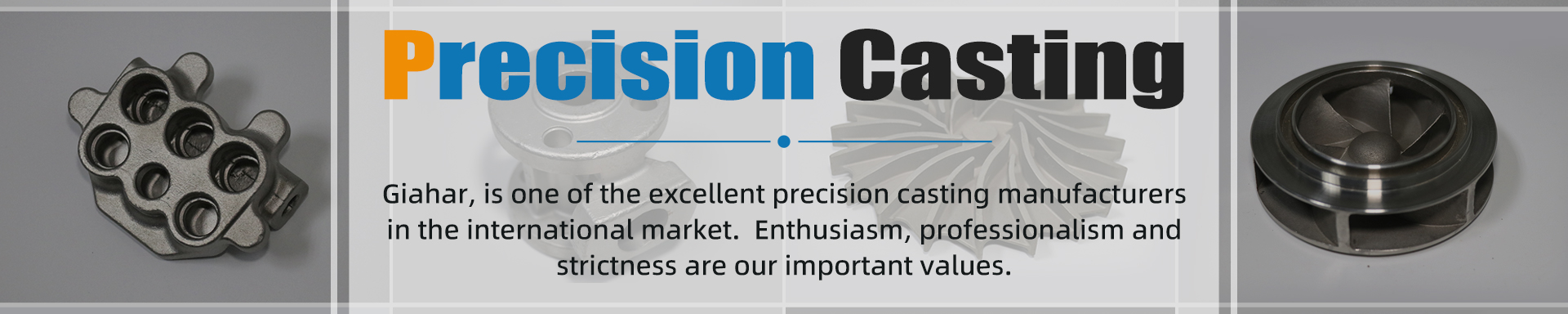
An implant casting is judged by what is inside the metal as much as by the shape. A hip stem or a knee component may look simple from the outside, but the section is thin, the alloy is reactive, and the inspection record has to follow the part. This case covers vacuum-melted titanium and cobalt alloy castings for orthopaedic device companies. The parts are supplied as castings, semi-finished components or finished components, depending on the customer's route.
GIAHAR is the casting partner. The device company holds the medical device registration and handles clinical and commercial distribution; our scope is the casting, machining and inspection of the component. That separation is normal in the implant supply chain, and it keeps the regulatory responsibility with the license holder.
Casting Scope at a Glance
| Item | Scope |
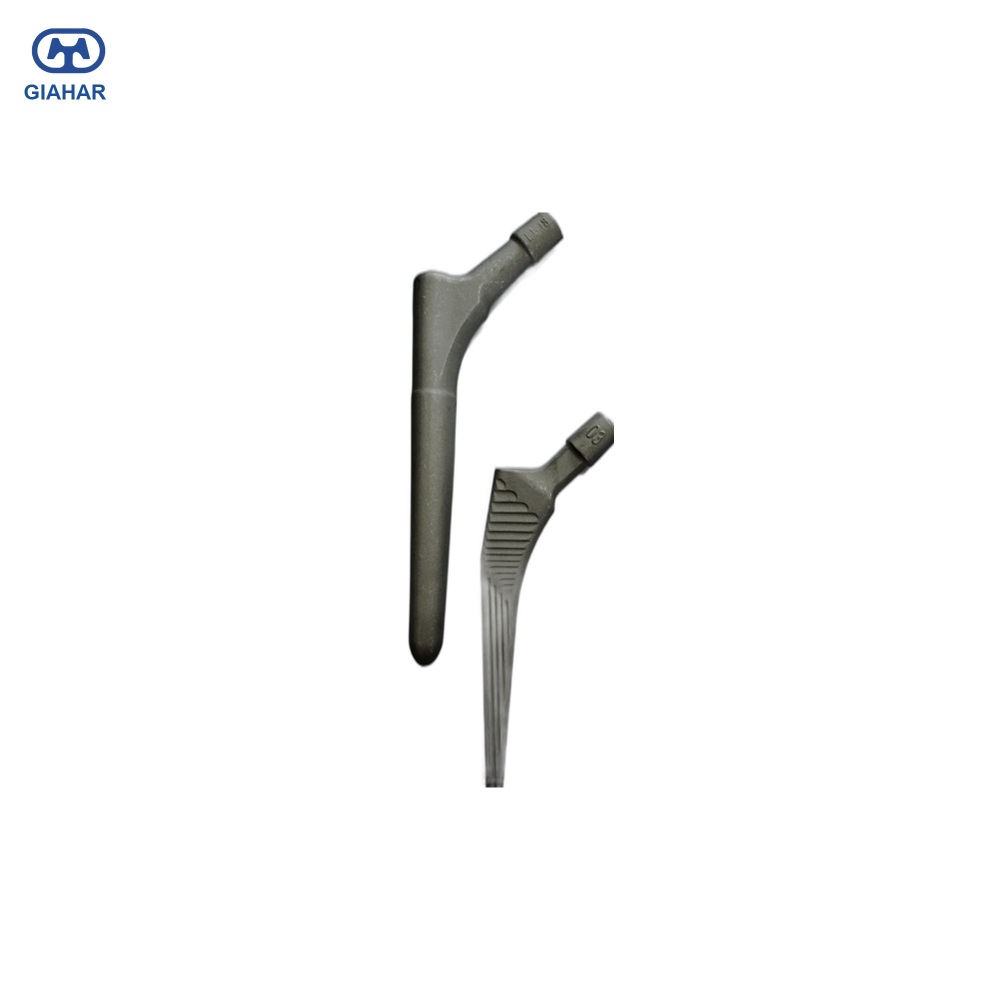
| Components | Hip stem, femoral head, acetabular cup, knee femoral component, tibial tray, unicompartmental components and custom instruments |
| Materials | Ti-6Al-4V ELI to ASTM F136 / ISO 5832-3; Co-Cr-Mo to ASTM F75 / ISO 5832-4; other medical alloys on request |
| Casting | Vacuum melting with silica sol investment casting (lost-wax) |
| Supply state | As-cast, semi-finished after machining, or finished to the drawing |
| Release | Material and dimensional records are prepared for the licensed device manufacturer; final device release stays with that company |
Why Vacuum Melting
Titanium is not a friendly metal for a normal air-melt. It picks up oxygen and nitrogen quickly, and those pickups show up as hard inclusions or a drop in ductility. Vacuum melting removes the atmosphere from the melt and lets the alloy be poured under controlled conditions. For a medical component, that is not a luxury; it is how the chemistry is kept inside the specification.
Cobalt-chromium alloys are also melted and poured with tight control, because the carbide distribution and the carbon level affect wear and strength. The vacuum route costs more than air melting. The titanium feedstock, the crucible and the melting time all add to the piece price, and that is why a medical casting is quoted after the drawing is reviewed rather than from a general price list.
Investment Casting Route
The route starts with a wax pattern. For a hip stem or a knee component, the wax is injected into a steel die, assembled on a runner, and coated with a ceramic shell. The shell is built in several layers, dried, and dewaxed. The empty shell is then fired and sent to the vacuum furnace.
The alloy is melted under vacuum and poured into the preheated shell. After solidification, the shell is broken away, the casting is cut from the runner, and the gate is ground. Heat treatment or hot isostatic pressing is included when the drawing calls for it. The part then goes to machining, where the stem taper, the screw holes or the articular surface are cut on the fixture.
Finishing depends on the supply state. An as-cast part stops after cleaning and inspection. A semi-finished part has the critical faces machined but leaves the final polish to the device company. A finished part is machined, polished, cleaned and marked to the drawing. Sterilisation and sterile packaging stay with the device company, because those steps are part of the device release.
Thin Sections and Distortion
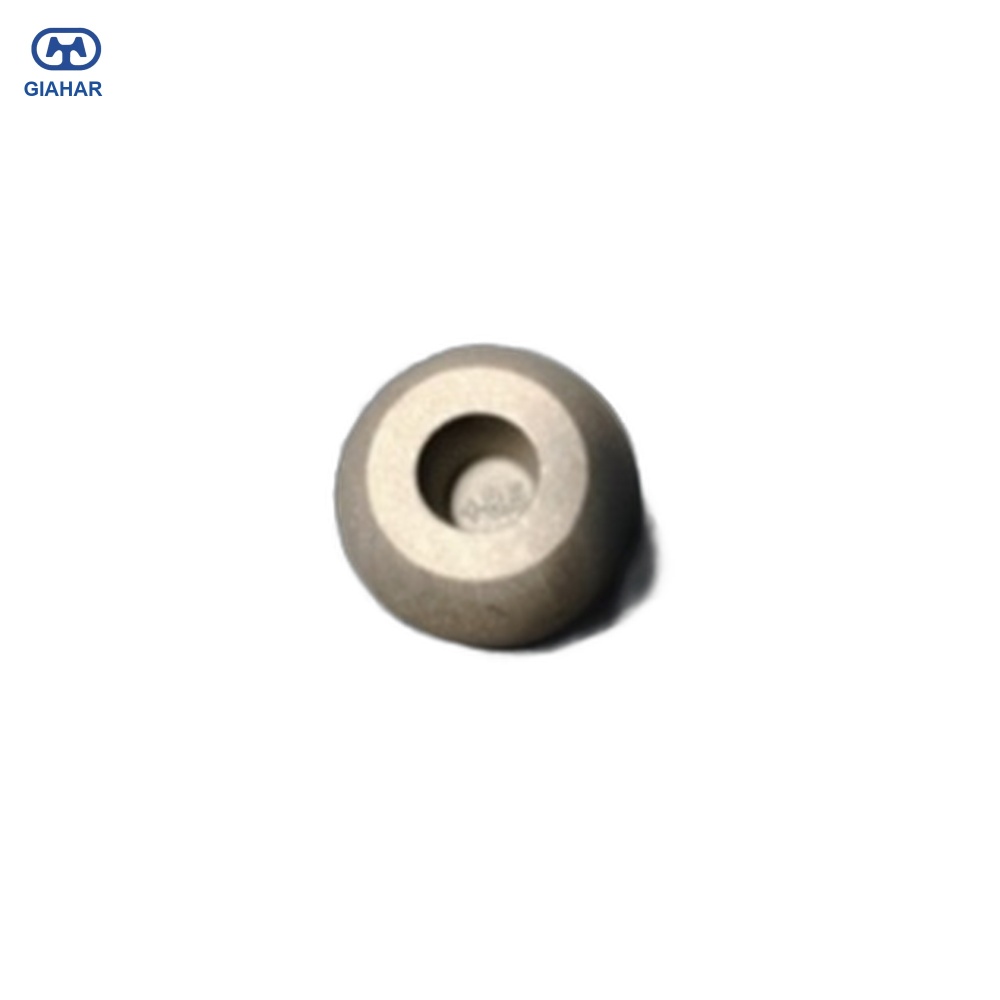
Orthopaedic parts are not thick blocks. A hip stem has a long, thin section; a knee component has a thin anterior flange and a heavier condylar area. The difference in section size makes the cooling uneven, and the part can warp or shrink away from the intended contour. The wax die and the shell are designed together to keep the metal fed into the heavier section while the thin section solidifies first. The team has been casting thin-section and high-alloy parts for years, and the shell and wax die are reviewed by the same people who run the furnace.
Distortion is controlled at the machining stage as well. The part is not clamped on a raw surface and cut in one pass. The fixture is planned around the datum faces on the drawing, and the critical taper or articular surface is cut after the casting has been stress relieved. If the casting moves, the machining allowance takes it out; if the movement is larger than the allowance, the wax die is corrected before the next lot.
Materials and Medical Standards
Ti-6Al-4V ELI is the standard titanium implant alloy, with extra-low interstitials for ductility. The chemistry and mechanical properties are specified to ASTM F136 or ISO 5832-3. Co-Cr-Mo is specified to ASTM F75 or ISO 5832-4 for wear-resistant components. Other medical alloys can be reviewed when the device company has a valid specification and a qualified route.
We do not self-certify the implant. The material certificate, the heat analysis, the mechanical results and the dimensional report are prepared for the device company, and that company releases the device under its own quality system. This is the normal contract-casting arrangement: the foundry controls the process and the records, and the license holder controls the medical device.
Different Joints, Different Positions
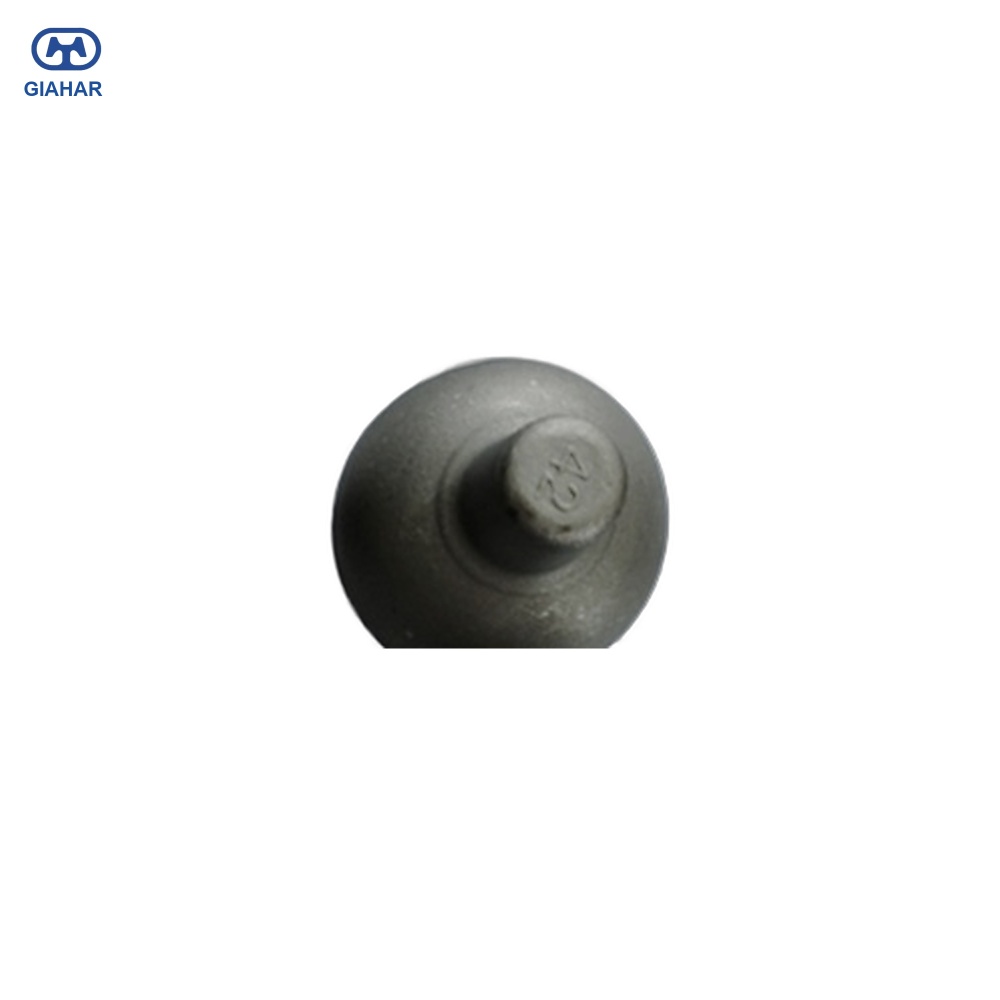
The same casting platform can serve a hip stem, a femoral head, an acetabular cup, a knee femoral component, a tibial tray or a unicompartmental implant. The position and size change with the device design, and the wall section changes with it. A hip stem needs a long taper and a clean stem surface; a tibial tray needs a flat base and a stable locking feature; a knee femoral component needs a smooth articular surface after machining.
Custom parts are quoted from a drawing or from an original component with the original data. A photograph alone is not enough, because the internal section, the alloy and the tolerances cannot be read from a picture. If the customer has a worn or failed part, the dimensions and the service condition help us decide whether the route should be casting plus machining or a new pattern.
Semi-Finished or Finished
Some device companies have their own machining and polishing line. They buy the casting or a semi-finished part and finish it themselves. Others ask for a finished component that is ready for their assembly and sterilisation. We can supply either state, but the drawing and the inspection plan have to say which faces are final, which are left with stock, and which dimensions are checked at our plant.
For a semi-finished part, the critical interfaces are machined and the non-critical surfaces are left as cast. For a finished part, the final machining, polishing and cleaning are done before packing. In both cases the lot number and the heat number stay with the parts, so the device company can trace the component back to the melt.
Contract Casting, Not Device Sales
Our customers are licensed medical device companies. They hold the device registration and the commercial relationship with the hospital; we hold the casting and machining process. We do not place the implant on the market and we do not sell it as a medical device. Our work is the component: the vacuum melt, the shell, the casting, the machining and the inspection record.
That boundary is important for a medical project. The device company audits the process, approves the drawing and releases the finished device. We support that audit with the material certificates, the process records and the dimensional data. The customer does not need a foundry that claims to be a device manufacturer; it needs a foundry that can hold the casting route and the records.
Quotation and Review
A medical casting is quoted after the drawing, the alloy, the section and the inspection plan are reviewed. The vacuum melt, the titanium feedstock and the documentation make the cost higher than a general industrial casting. The quote reflects the route, not a catalogue price. If the part is still in design, we can review the casting feasibility before the drawing is frozen, so the wall section and the machining stock are not fixed too late.
To quote, we need the drawing or the original part with data, the material specification, the supply state, the annual quantity and the inspection standard. With those items we can confirm the shell, the wax die, the machining route and the inspection steps. The first article is checked before the production lot, and the production lot follows the same route.