

- Home
- >
- Products
- >
- Pump End Cover
- >
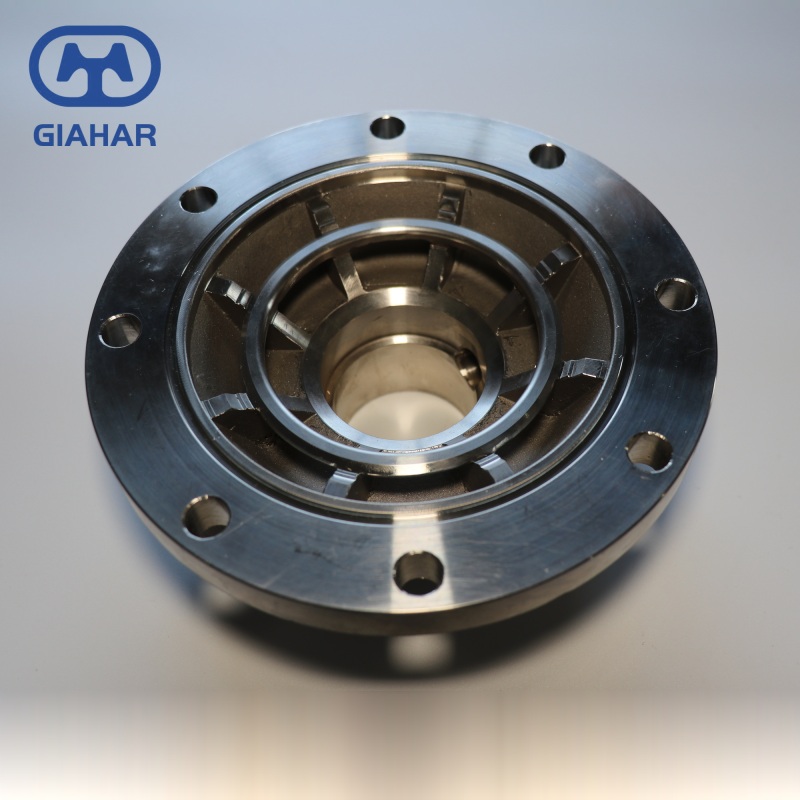
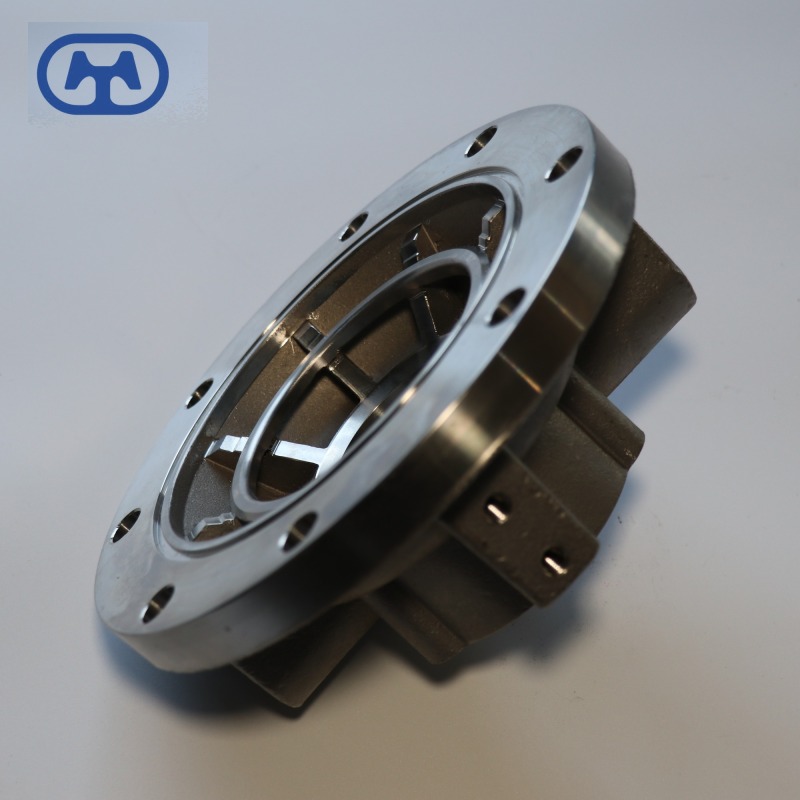
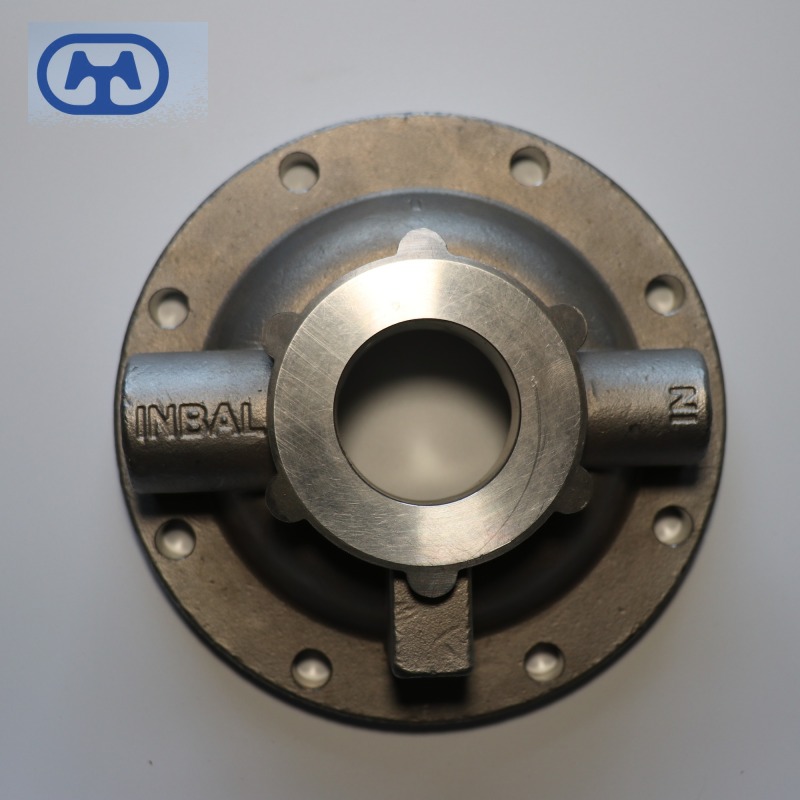
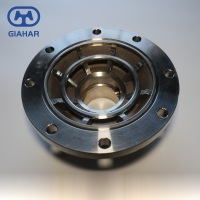
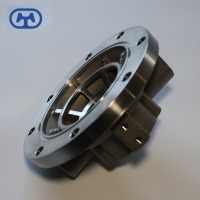
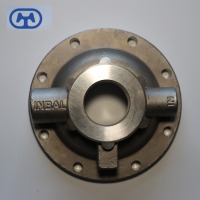
Pump End Cover
• Pump end cover in 304/316L, carbon steel or heat-resistant alloy
• Silica sol investment casting with CNC end face, spigot and seal seat
• OD 60–580 mm, 0.8–45 kg
• Hydrostatic pressure test and material certificate available
- China
- New product development: 2 months; precision casting production: 1.5 months; schedule can be adjusted according to production conditions.
- 1,000 tons per year (precision casting)
- Information
Pump End Cover
Product Overview
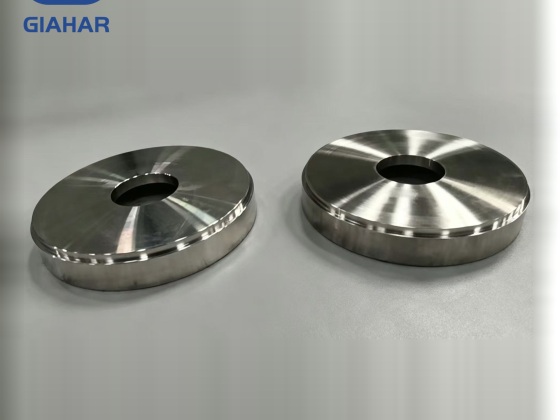
The pump shaft end cover is fastened to the back or rear side of the pump casing, serving as a lid for the pump chamber and providing protection to the internal shaft and sealing components. We pour the mold and finish the CNC operations inside the factory premises, meaning our clients don't have to deal with any intermediate supplier or trader as they can directly contact the factory producing the item.
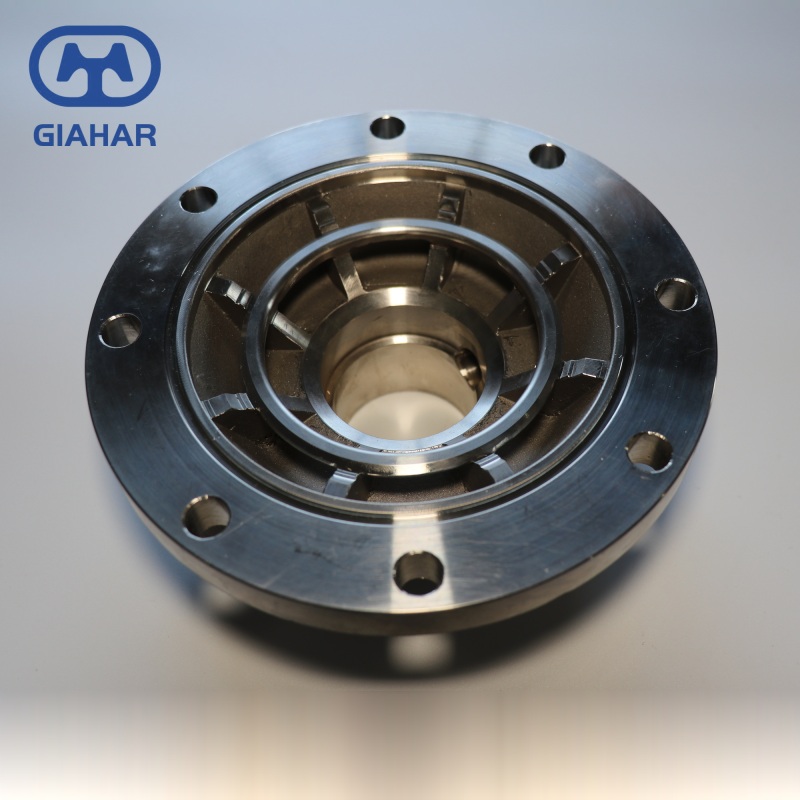
The table below gives the normal working range for this end cover. Final flange, spigot, bore and seal dimensions are confirmed from the drawing. Machining follows the approved drawing, and the drawing is confirmed before tooling. The machining drawing, machining sequence and casting drawing are reviewed together.
On the appearance level, the rear or pump end cover is a single piece, but actually, the fit tightness of end face, and spigot is very important. An inconsiderate or a careless fitting of these components will result in excessive vibrations and increased leakage of the machine that will shorten its working life considerably.
| Parameter | Value |
| Material | Stainless Steel / Carbon Steel / Alloy Steel (on request) |
| Process | Silica Sol Investment Casting + CNC Machining |
| Outer Diameter | 60–580 mm |
| Weight per Piece | 0.8–45 kg |
| Finish and packing | Finish: As-cast, machined, passivated or pickled. Packaging: Anti-rust fluid on machined surfaces, with extra protection for machined faces and impact protection to prevent transit damage. Export carton, fumigated wooden crate, non-fumigated wooden crate, EU-standard box or pallet. Packaging can be customized to customer requirements. Environmental compliance: Our product packaging complies with Regulation (EU) 2025/40 on Packaging and Packaging Waste (PPWR), which applies directly in EU member states from 12 August 2026. |
Manufacturing Process
We fabricate the casting at the end by using silica sol investment casting. Compared to sand casting, you will have a much smoother surface and a more dense structure inside at a lower level of porosities and inclusions. After the casting operation, we have a further thermal process in order to release internal stresses.
With the help of precision CNC machines, the end face, the spigot, and the sealing surfaces are all machined. Due to the close cooperation of these parts, we set narrow tolerances on these surfaces so that the pump sealing function is not compromised.
Material Options
Carbon steel is just about the only thing to beat on water that is quite clean. For pumping corrosive media, it is safe and even better to go with 304 or 316L stainless steel. As far as operating at high temperatures, it is the heat-resistant alloy steel we need. Give us an idea of the pump you are installing and the medium being pumped and we will be able to recommend the right grade of metal for you. We can also comply with your requirements whether they are based on ASTM, DIN or ISO standards.
Our Advantages
You can't get this anywhere else, right here with us is casting and machining as well that go on smoothly, without any intermediaries and not to mention the transfer of materials from one workshop to another. Should the change of a dimension become necessary you can rest assured that our expert staff will do the job for you right this minute. It only takes one step to make bolt holes, sealing grooves and positioning pins and the like in one set to achieve concentric positioning and position correctness as the standards do not shift during the process.
Quality Control
End face runout and spigot dimensions are checked on every batch. If you need, we can do a hydrostatic pressure test to verify sealing performance, and provide material mill certificates with the shipment.
Custom Service
We produce end covers to your 2D drawings, 3D models, or even a worn sample taken from your old pump. For spare part replacements, just send us the old part and we can reverse-engineer it. If any design point raises casting or machining concerns, we will flag it early and suggest practical tweaks.
Custom Manufacturing Process
1. Requirement Communication
We start with the drawing, the application and the order quantity. Material, dimensions, tolerances, operating conditions and any packing or documentation requirement are recorded before quoting.
2. Technical Evaluation
The engineering team reviews wall sections, machining stock, casting feasibility and the critical fits. If a feature is difficult to cast or machine, it is raised before tooling begins.
3. Process and Sample Confirmation
Once the process route has been fixed, a sample is produced when the project requires one, and this sample is checked against the drawing; only after the sample has been confirmed does the mass production start.
4. Mass Production
Production is scheduled against the confirmed specification and order quantity. Progress is tracked through casting, machining and finishing.
5. Quality Inspection
Dimensional and visual checks are carried out according to the agreed requirements. Inspection records are kept with the batch.
6. Packaging and Delivery
The finished parts are packed for export, labelled as agreed, and prepared for the shipment with the required documents.
The rear pump cover is machined with the shaft end cover, and the pump cover plate is checked on the same fixture.
Company Profile & FAQ
| At a Glance | |||
| Founded | 2010 | ||
| Factory Area | About 60,000 m² in Kazuo County, Liaoning | ||
| Staff | Around 120 people, including engineers and QC | ||
| Experience | 16 years of silica sol investment casting | ||
| Export Markets | Japan, South Korea, Europe and North America | ||
| Capacity | 1,000 tons per year of precision castings | ||
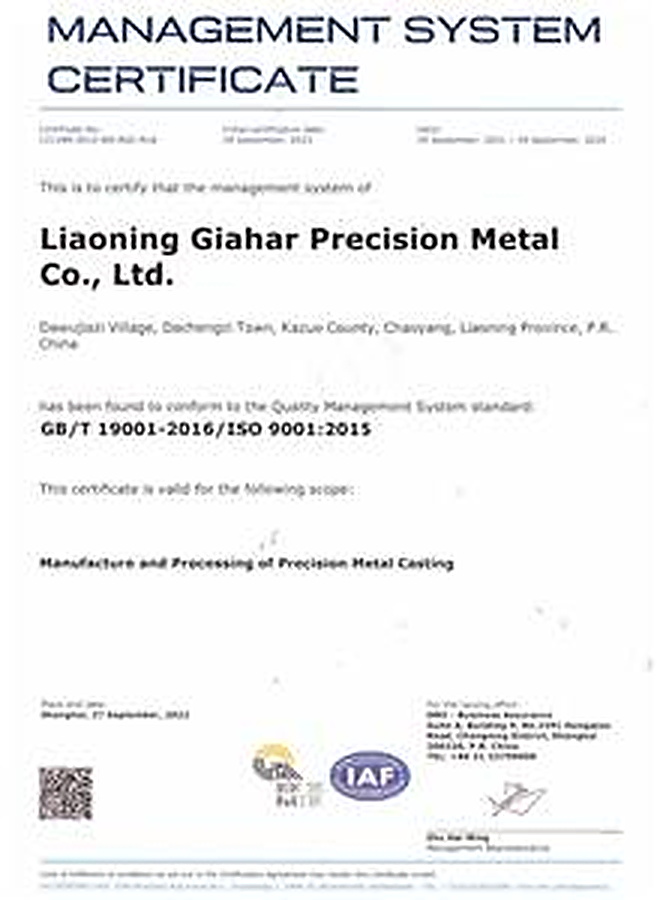
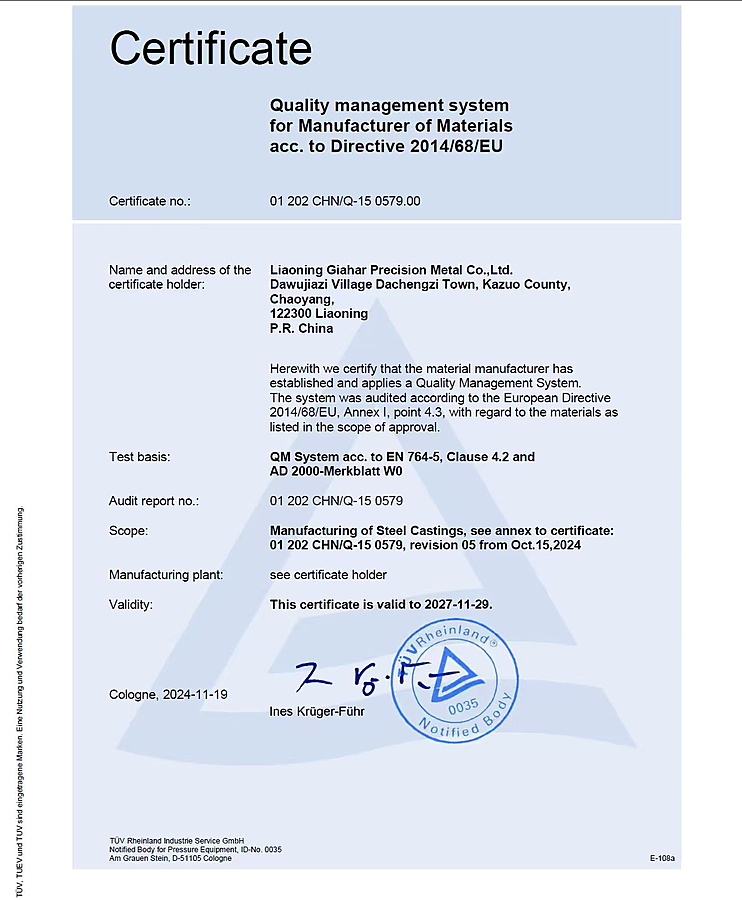
| Certifications | DNV ISO 9001 Quality Management System Certificate; TUV PED 2014/68/EU Pressure Equipment Certificate
| ||
| FAQ | |||
| Q: Can you produce parts from my drawing or sample? | |||
| Yes. Send a 2D drawing, a 3D model or a physical sample. Our engineer will review the wall sections, tolerances and machining stock before quoting. Any risk is raised before the sample stage. | |||
| Q: Do you provide material certificates and inspection reports? | |||
| We can provide mill certificates to EN 10204 3.1, heat treatment records and dimensional reports. If PED 2014/68/EU documentation is required, it can be prepared, and a declaration covering RoHS and REACH can be supplied. The document package is agreed at the quotation. | |||
| Q: Can you do machining, heat treatment and surface finishing in-house? | |||
| Yes. The castings are moved from our foundry to our CNC shop. Stress relief is carried out after the casting, and solution annealing can be done in our controlled furnace when the material specification requires it. Passivation and pickling are also handled on site. Since the same team controls casting, heat treatment and finishing, the parts do not have to travel between different vendors, which reduces the handling damage and keeps the production route short. | |||
| Q: What are the MOQ and lead times? | |||
| MOQ is normally 100–500 pcs for new tooling, and for repeat orders the quantity can be lower. New product development takes about 2 months, while the precision casting production takes about 1.5 months. The final schedule is confirmed against the drawing, the order quantity and the current production load. | |||
Pump End Cover FAQ
| Product-Specific FAQ | |
| Q: What is the pump end cover used for? | |
| It closes the rear of the pump casing and protects the shaft and seal area. The end face and spigot fit control vibration and leakage. | |
| Q: Which material should I choose? | |
| 304 or 316L is used for corrosive media. Carbon steel is suitable for clean water, and heat-resistant alloy can be reviewed for high temperature. | |
| Q: Do you pressure test the cover? | |
| Yes. A hydrostatic pressure test can be arranged to verify sealing performance, and the test record can be supplied with the shipment. | |
| Q: Can you copy a worn cover? | |
| Yes. Send the old part or a 3D scan. We check the flange pattern, the spigot and the seal seat before the quotation, and if something does not match, we will tell you before the order is placed. |