

- Home
- >
- Products
- >
- Bypass Valve Body
- >
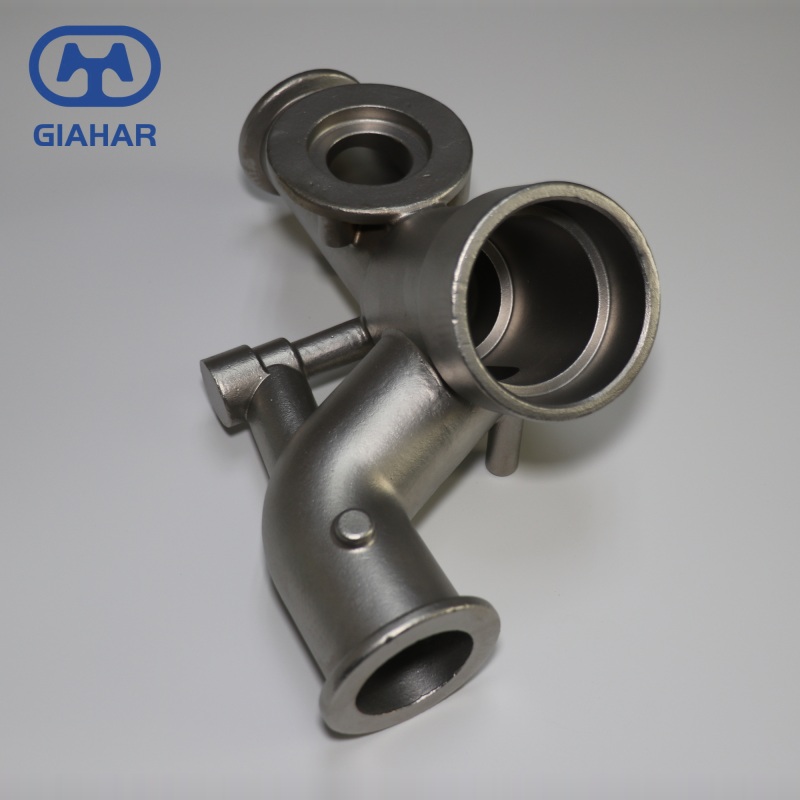
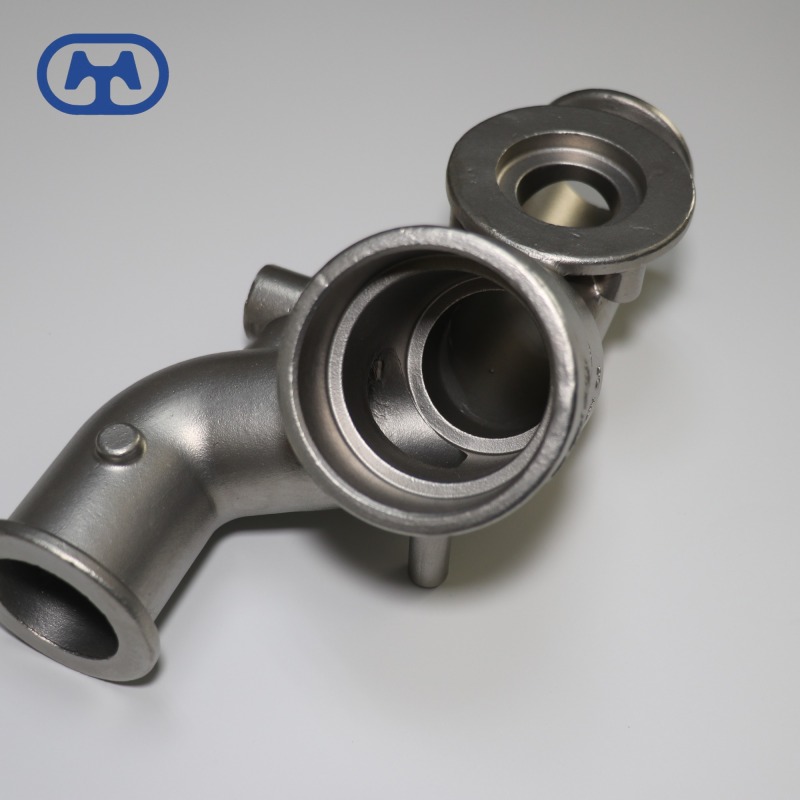
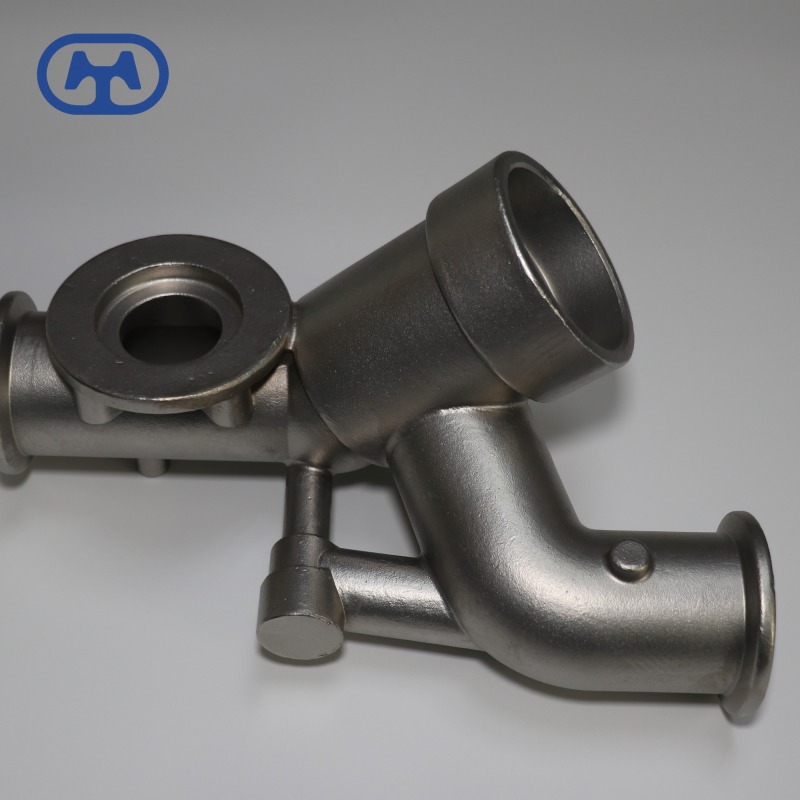
Bypass Valve Body
• 304/316 bypass valve body casting
• Silica sol investment casting, flange and sealing faces machined
• For chemical, water and hydraulic bypass circuits
• Hydrostatic pressure test available
- China
- New product development: 2 months; precision casting production: 1.5 months; schedule can be adjusted according to production conditions.
- 1,000 tons per year (precision casting)
- Information
Stainless Steel Bypass Valve Body
Product Overview
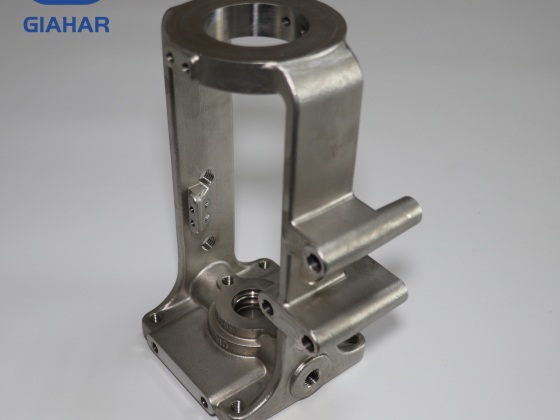
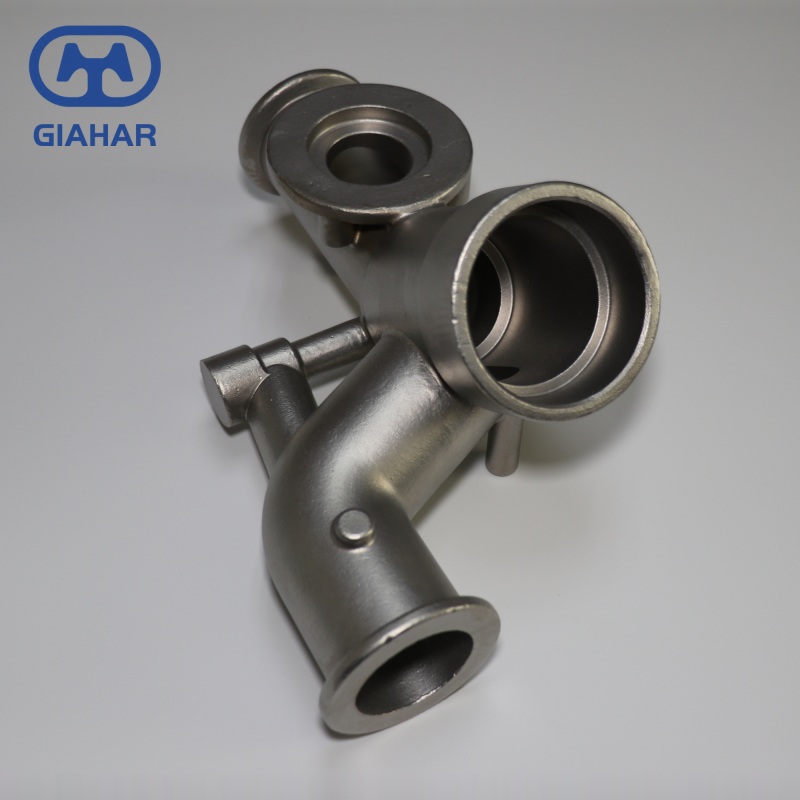
If a bypass valve body cracks under system pressure, weeps at the sealing face or corrodes after months in chemical service, the result is downtime and repair cost. This bypass valve body is cast in 304/316 stainless steel by silica sol investment casting. The stainless valve casting is machined on site, so the flange and sealing faces are finished before shipment.
The table below will show you the normal working limits of a valve body.
Valve seat houses pressure boundary and it is the part of the bypass valve that has a cavity. All the casting and machining processes are conducted within a single plant which eliminates having a middleman between the foundry and the customer for the buyer.
| Parameter | Value |
| Material | 304 / 316 Stainless Steel (other alloys on request) |
| Casting Process | Silica Sol Investment Casting |
| Key Machined Features | Flange faces, internal sealing surfaces, mounting bolt holes |
| Pressure Rating | Per valve design / customer drawing |
| Customization | Per customer drawing / sample part |
| Finish and packing | Finish: As-cast, machined, passivated or pickled. Packaging: Machined faces get anti-rust fluid and face protection; impact protection is added for transit. The export pack can be a carton, a fumigated or non-fumigated wooden crate, an EU-standard box or a pallet. Packing can be adapted to the customer requirement. Environmental compliance: For EU shipments the packaging follows PPWR Regulation (EU) 2025/40 from 12 August 2026. |
Manufacturing Process
The stainless valve casting is produced by silica sol investment casting. A sand cast valve body often has internal porosity that causes slow weeping under pressure, and rough passages that disturb the valve performance. The investment cast body is dense and dimensionally accurate, and it holds pressure reliably. After casting, the parts go through solution heat treatment and the critical faces are machined.
Why Precision Casting Matters
The body must hold full system pressure for years without leaking or cracking. The wall section is consistent and internal defects are limited, so it does not fail in service. The smooth passages also reduce the pressure drop across the valve.
Application Industries
This corrosion resistant valve body is widely used in chemical processing, oil & gas pipelines, power plant auxiliary systems, water treatment, and general industrial hydraulic/pneumatic bypass circuits.
Quality Control
If the customer requires it, a hydrostatic pressure test is carried out before shipment to verify the rated pressure.
Custom Service
Bypass valve bodies are made to 2D drawings, 3D models or worn samples. For a new design or an obsolete body, the casting and machining feasibility is reviewed before the quotation. Send the files; a formal quotation follows in 1–2 working days.
Custom Manufacturing Process
1. Requirement Communication
We start with the drawing, the application and the order quantity. Material, dimensions, tolerances, operating conditions and any packing or documentation requirement are recorded before quoting.
2. Technical Evaluation
The engineering team reviews wall sections, machining stock, casting feasibility and the critical fits. If a feature is difficult to cast or machine, it is raised before the tooling is started.
3. Process and Sample Confirmation
The process route is fixed, and a sample is produced when the project requires one. The sample is checked against the drawing and confirmed before mass production.
4. Mass Production
Production is scheduled against the confirmed specification and order quantity. Progress is tracked through casting, machining and finishing.
5. Quality Inspection
Dimensional and visual checks are carried out according to the agreed requirements. Inspection records are kept with the batch.
6. Packaging and Delivery
Finished parts are packed for export, labelled as agreed and prepared for shipment with the required documents.
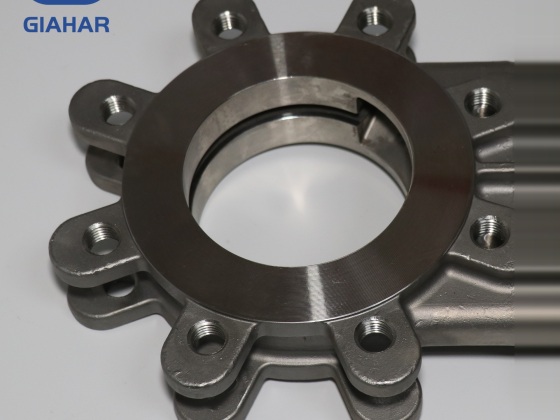
The stainless valve casting is supplied as a bypass valve body with the flange and sealing faces machined.
Before You Order a Bypass Valve Body
Before a bypass valve body is quoted, the drawing should show the port spacing, the flange standard, the wall section and the seat face. The bypass circuit also needs to be clear: which port is the inlet, which is the outlet, and where the valve sits in the line. If the body is a replacement, send the old body or a scan; the flange pattern and the internal passage are checked against the sample. The pressure class and the test requirement should be on the drawing. A small change in the seat face or the wall section can change the casting route, so these points are reviewed before the pattern is made.
The body is normally cast in 304 or 316 stainless steel. 316 is used when the process fluid contains chlorides or the valve is installed in a chemical line. The wall section is kept uniform so the body does not distort during cooling, and the flange faces are machined after stress relief. If the body has a threaded port or a special seat, the thread and the seat are cut in the same setup to keep them aligned.
For a new bypass circuit, a sample can be cast before the production order. The sample is checked for port position, flange fit and seat flatness. A hydrostatic test can be added to the sample or the production batch. The test pressure and the hold time are agreed before the order, so the inspection report matches the drawing.
The valve body casting is supplied with the flange and sealing faces machined.
Company Profile & FAQ
| At a Glance | |||
| Founded | 2010 | ||
| Factory Area | About 60,000 m² in Kazuo County, Liaoning | ||
| Staff | Around 120 people, including engineers and QC | ||
| Experience | 16 years of silica sol investment casting | ||
| Export Markets | Japan, South Korea, Europe and North America | ||
| Capacity | 1,000 tons per year of precision castings | ||
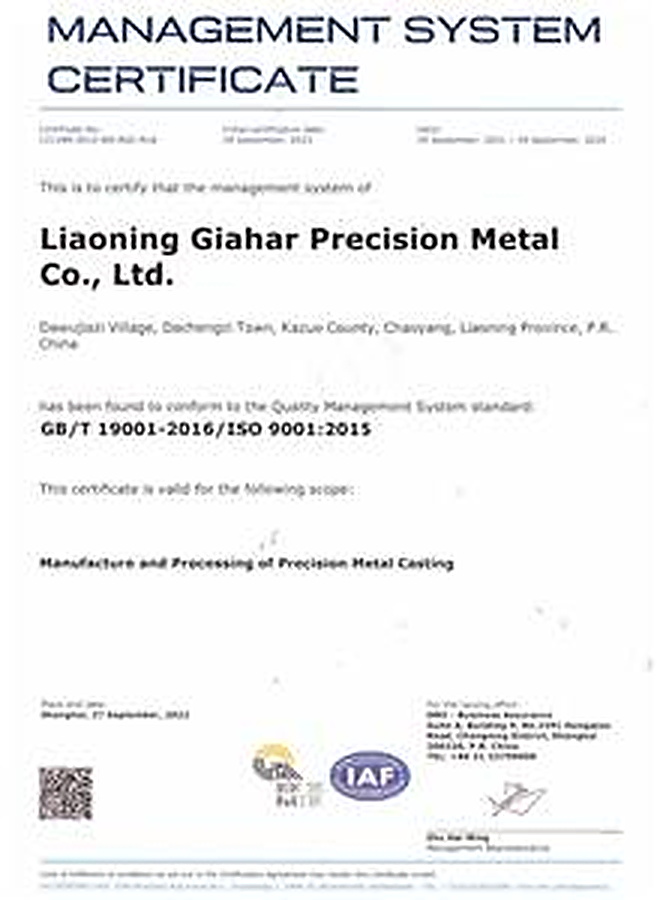
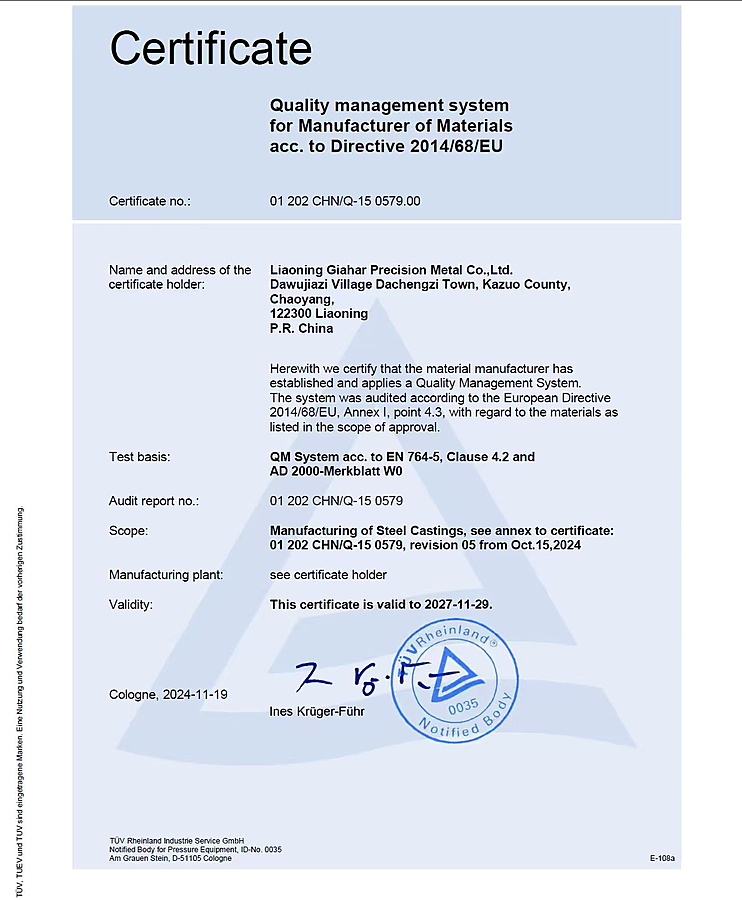
| Certifications | DNV ISO 9001 Quality Management System Certificate; TUV PED 2014/68/EU Pressure Equipment Certificate
| ||
| FAQ | |||
| Q: Can you produce parts from my drawing or sample? | |||
| Yes. Send a 2D drawing, a 3D model or a physical sample. Our engineer will review the wall sections, tolerances and machining stock before quoting. Any risk is raised before the sample stage. | |||
| Q: How is the internal passage checked? | |||
| The passage is checked with a bore scope or by dimensional inspection after machining. Any loose sand or flash is removed before the body is packed. | |||
| Q: Can you replace an obsolete bypass valve body? | |||
| Yes. Send the old body or a scan. The flange pattern, port spacing and seat face are measured, and a replacement pattern is made when needed. | |||
| Q: Can you cast to a specific pressure class? | |||
| Yes. The pressure class, test pressure and hold time are taken from the drawing. A hydrostatic test can be added before shipment. | |||
| Q: What are the MOQ and lead times? | |||
| MOQ is normally 100–500 pcs for new tooling, with lower quantities for repeat orders. New product development takes about 2 months, while the precision casting production takes about 1.5 months. The final schedule is confirmed against the drawing, the order quantity and the current production load. | |||
Bypass Valve FAQ
| Product-Specific FAQ | |
| Q: What material is the bypass valve body? | |
| 304 or 316 stainless steel is standard. Other alloys can be reviewed for the process fluid and pressure rating. | |
| Q: How are the sealing faces checked? | |
| The flange faces, internal sealing surfaces and bolt holes are machined and checked against the drawing. | |
| Q: Is a pressure test available? | |
| Yes. A hydrostatic pressure test can be arranged to verify the body holds the rated pressure without weeping. | |
| Q: Can you copy an existing valve body? | |
| Yes. Send a sample, a 2D drawing or a 3D model. We check the flow passages and sealing faces before quoting. |