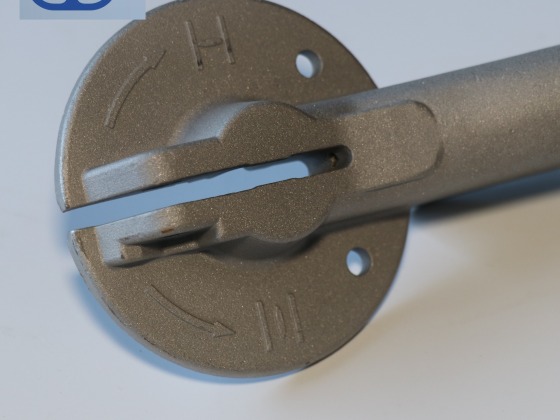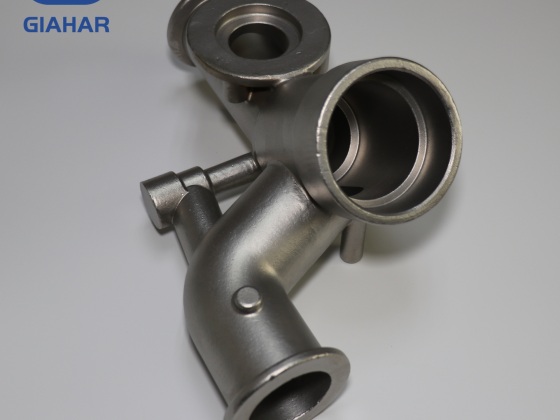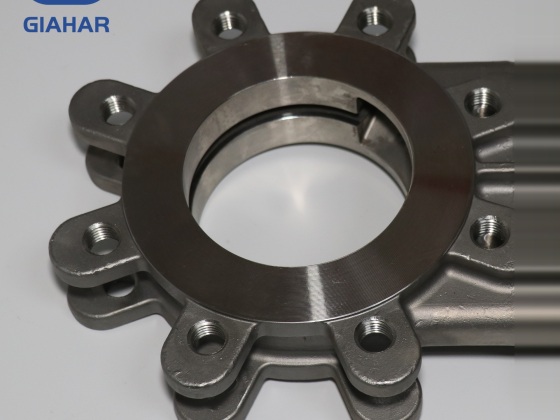


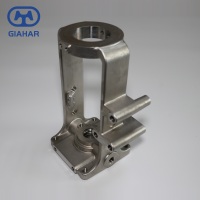
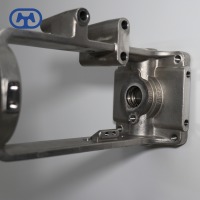
Stainless Steel Valve Yoke
• 304/316 valve yoke casting
• Silica sol investment casting with CNC stem bore
• Bonnet flange and actuator holes machined
• For gate, globe and check valves
- China
- New product development: 2 months; precision casting production: 1.5 months; schedule can be adjusted according to production conditions.
- 1,000 tons per year (precision casting)
- Information
Stainless Steel Valve Yoke
Product Overview
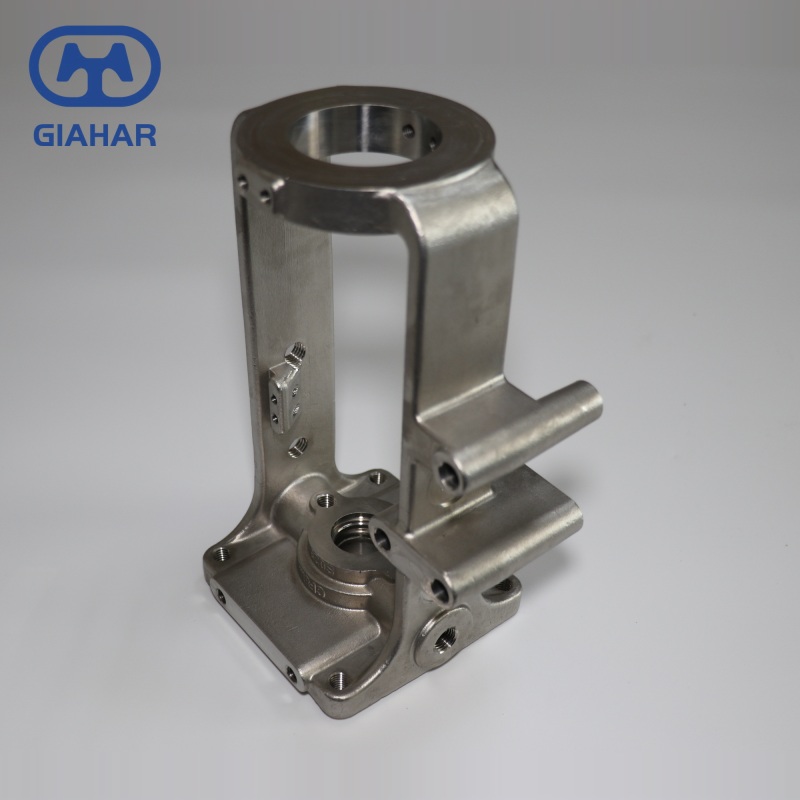
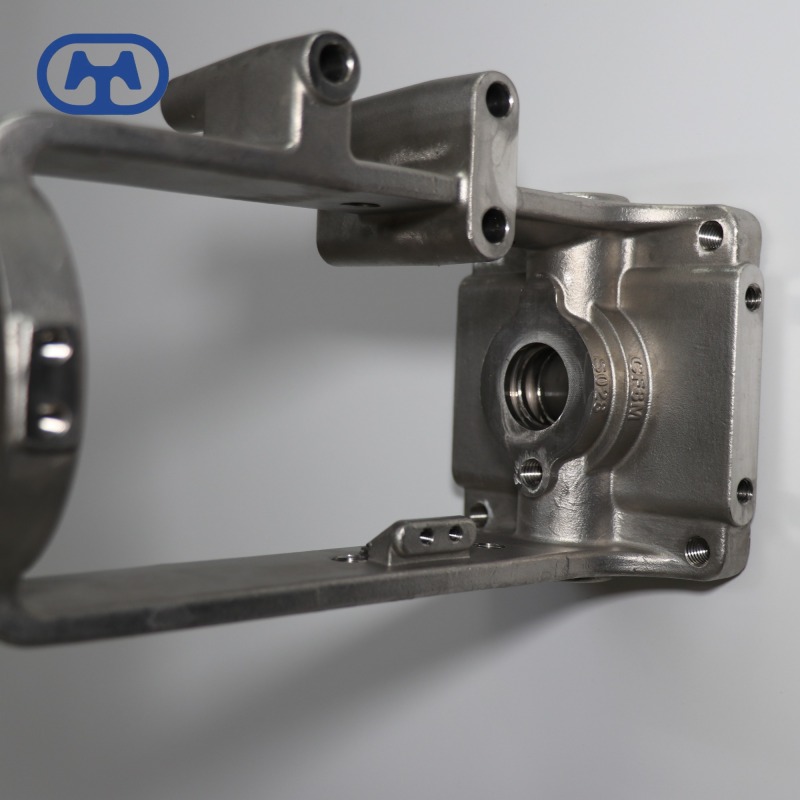
If a valve stem binds, the bonnet joint leaks or the yoke cracks after months at high pressure, the result is downtime and a bad repair. This valve yoke is cast in 304/316 stainless steel by silica sol investment casting. The stem bore and bonnet flange are cut in our shop, so the yoke fits the valve without extra fitting.
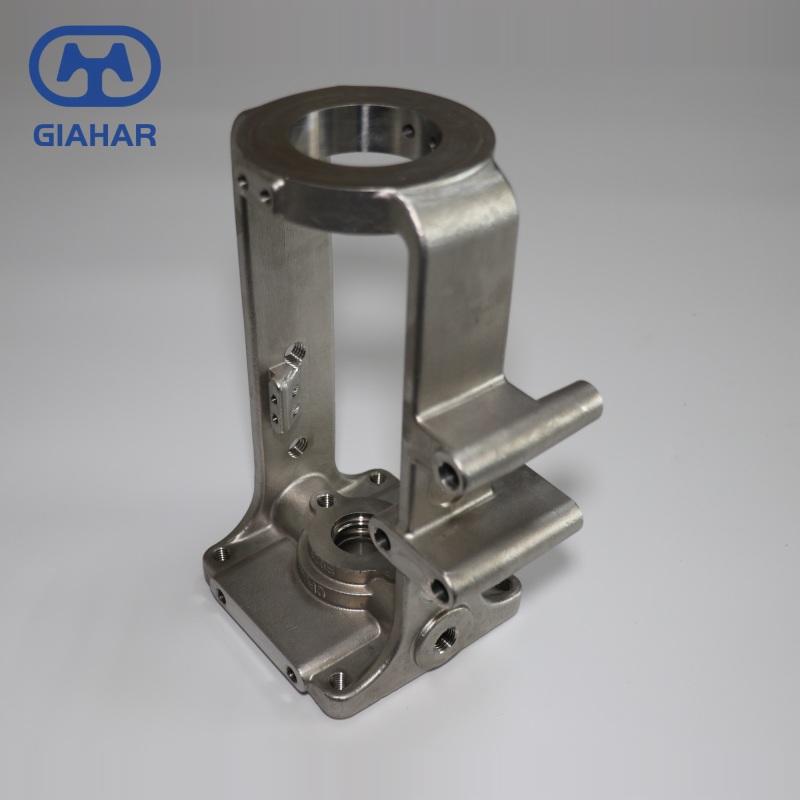
The investment cast valve yoke connects the bonnet to the actuator mount. It keeps the stem in line through thousands of open and close cycles. Casting and machining are done on one site, so the buyer deals with the foundry and not with a middleman.
| Parameter | Value |
| Material | 304 / 316 Stainless Steel (other alloys on request) |
| Casting Process | Silica Sol Investment Casting |
| Key Machined Features | Stem bore, bonnet flange face, actuator mounting bolt holes |
| Valve Type Compatibility | Gate valves, globe valves, check valves |
| Customization | Per customer drawing / sample part |
| Finish and packing | Finish: As-cast, machined, passivated or pickled. Packaging: Anti-rust fluid on machined surfaces, with extra protection for machined faces and impact protection to prevent transit damage. Export carton, fumigated wooden crate, non-fumigated wooden crate, EU-standard box or pallet. Packaging can be customized to customer requirements. Environmental compliance: Our product packaging complies with Regulation (EU) 2025/40 on Packaging and Packaging Waste (PPWR), which applies directly in EU member states from 12 August 2026. |
Manufacturing Process
The stainless steel valve bonnet yoke is produced by silica sol investment casting. A sand cast yoke often has porosity that can lead to cracks under pressure, and a rough surface that throws the stem alignment off. The investment cast yoke is near-net shape, with a consistent wall and very little porosity. The stem bore and flange are CNC machined after casting.
Why Precision Casting Matters
The stem bore has to stay in line through millions of valve cycles. If the casting warps or the wall is uneven, the bore moves, the stem binds and the actuator cannot open the valve. The yoke is cast with a consistent wall and machined after stress relief to hold that alignment.
Application Industries
The valve yoke is used in oil and gas pipelines, chemical processing, power plants and water treatment. It fits both manual and actuated valve assemblies.
Quality Control
We dimensional check every critical feature before shipment: stem bore diameter, flange flatness, bolt hole spacing. Penetrant testing is available on request to check for tiny casting surface defects. Material mill certificates are included with every order.
Custom Service
Yokes are made to 2D drawings, 3D models or worn samples. For a discontinued yoke or a new valve design, the casting and machining feasibility is reviewed before the quotation. Send the files; a formal quotation follows in 1–2 working days.
Custom Manufacturing Process
1. Requirement Communication
The drawing, the valve size and the order quantity are reviewed first. The material, stem bore, bonnet flange and any packing requirement are written down before the quotation.
2. Technical Evaluation
The casting and machining teams check the wall section, the stem bore and the actuator mounting. A feature that is difficult to cast or machine is raised before the tooling.
3. Process and Sample Confirmation
The route is fixed, and a sample is made when the project needs one. The sample is checked against the drawing, and production starts only after it is confirmed.
4. Mass Production
Production is planned against the confirmed specification and quantity. The work is followed through casting, machining and finishing, with quality control during the run.
5. Quality Inspection
The stem bore, flange flatness and bolt hole spacing are checked against the agreed requirements. The records stay with the batch.
6. Packaging and Delivery
The yokes are packed for export and labelled as agreed, then prepared for shipment with the required documents.
Measuring a Replacement Yoke
Before a replacement valve yoke is quoted, the stem bore, the bonnet bolt circle and the actuator bolt pattern should be measured. The centre height from the bonnet face to the actuator face also matters. Two yokes can look alike and differ in that height, and the actuator will not sit correctly if the height is wrong. A photo of the old yoke on the valve helps to show which face is the mounting face.
If the old yoke is cracked, note where the crack sits. A crack at the actuator flange often means the part was loaded unevenly; a crack at the stem bore may mean the bore was too tight or the stem was not aligned. The pattern and the machining route can be adjusted after the cause is known.
The yoke is cast in 304 or 316 stainless steel. The wall section is kept even, and the casting is stress relieved before the stem bore and flange are machined. The bore is cut after stress relief so it does not move when the casting settles. The bonnet face and actuator face are machined in one setup when the size allows, which keeps them parallel.
For a new valve design, a sample yoke can be cast before the production order. The sample is checked for stem alignment, bonnet flange flatness and actuator bolt spacing. A dimensional report can be supplied with the sample, and the production batch is checked against the same report.
Before packing, the yoke is checked on the same fixture used for the first sample. The stem bore is reamed, the bonnet face is faced, and the actuator holes are drilled to the pattern. The heat number is marked on the part before it is wrapped.
Company Profile & FAQ
| At a Glance | |||
| Established | 2010 | ||
| Plant area | About 60,000 m² in Kazuo County, Liaoning | ||
| Employees | Around 120 people, including engineers and QC | ||
| Casting experience | 16 years of silica sol investment casting | ||
| Main markets | Japan, South Korea, Europe and North America | ||
| Annual capacity | 1,000 tons per year of precision castings | ||
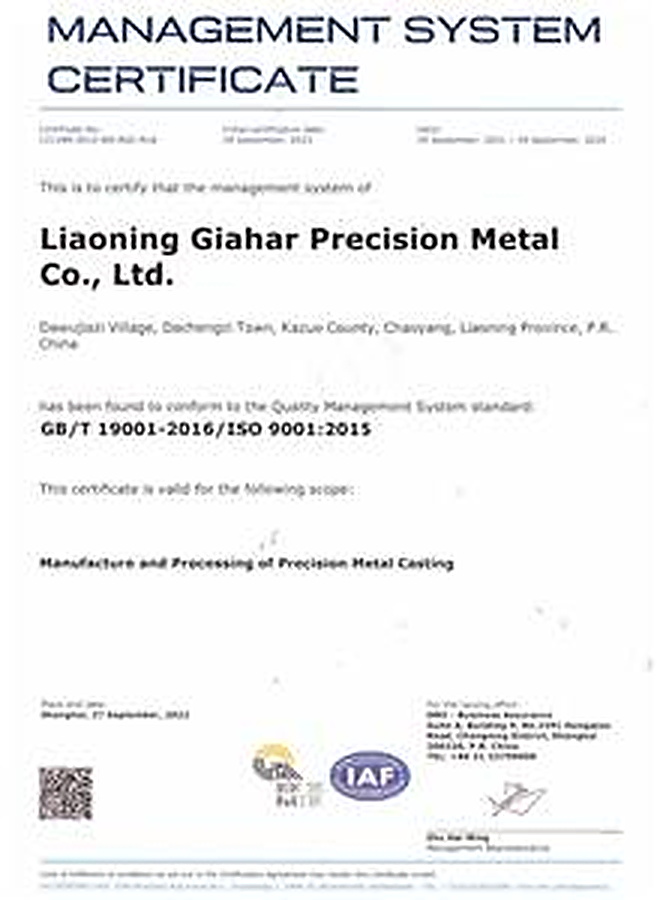
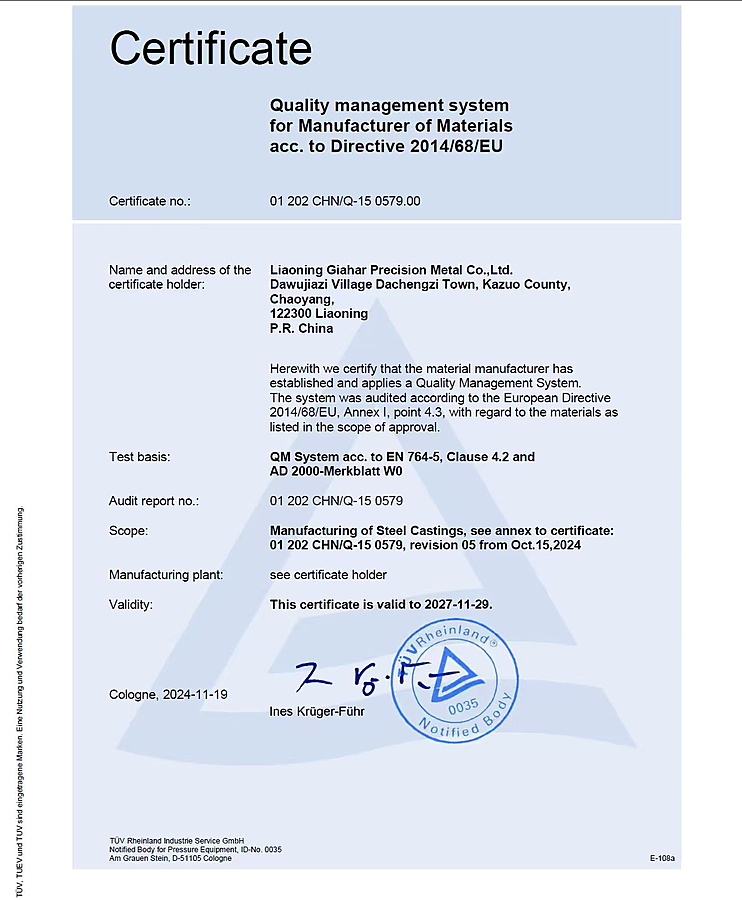
| Approvals | DNV ISO 9001 Quality Management System Certificate; TUV PED 2014/68/EU Pressure Equipment Certificate
| ||
| FAQ | |||
| Q: Can you produce parts from my drawing or sample? | |||
| Yes. Send a 2D drawing, a 3D model or a physical sample. Our engineer will review the wall sections, tolerances and machining stock before quoting. Any risk is raised before the sample stage. | |||
| Q: How is the stem bore checked? | |||
| The bore diameter, alignment and flange flatness are checked after machining. A bore gauge and a surface plate are used, and the record stays with the batch. | |||
| Q: Can you do machining, heat treatment and surface finishing in-house? | |||
| Yes. The castings are moved from our foundry to our CNC shop. Stress relief is carried out after the casting, and solution annealing can be done in our controlled furnace when the material specification requires it. Passivation and pickling are also handled on site. Since the same team controls casting, heat treatment and finishing, the parts do not have to travel between different vendors, which reduces the handling damage and keeps the production route short. | |||
| Q: Can you match a specific valve standard? | |||
| Yes. The valve standard, pressure class and test requirement are taken from the drawing, and the inspection method is confirmed before the order. | |||
| Q: What are the MOQ and lead times? | |||
| MOQ is normally 100–500 pcs for new tooling, with lower quantities for repeat orders. New product development takes about 2 months, while the precision casting production takes about 1.5 months. The final schedule is confirmed against the drawing, the order quantity and the current production load. | |||
Valve Yoke FAQ
| Product-Specific FAQ | |
| Q: What does the yoke connect? | |
| It connects the valve bonnet to the actuator mount and keeps the stem aligned. | |
| Q: How is the stem bore checked? | |
| The bore diameter, alignment and flange flatness are checked against the drawing. | |
| Q: Can you copy an existing yoke? | |
| Yes. Send a sample or a 3D model. The bonnet flange and the actuator holes are checked before the quotation. | |
| Q: Which valve types use it? | |
| Gate, globe and check valves, both manual and actuated. |