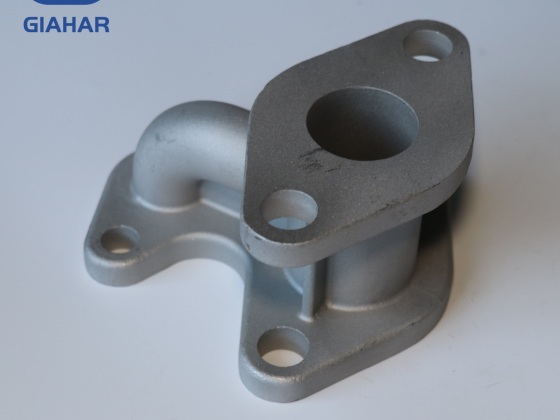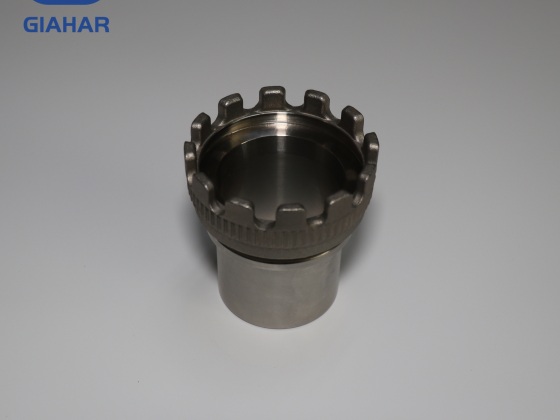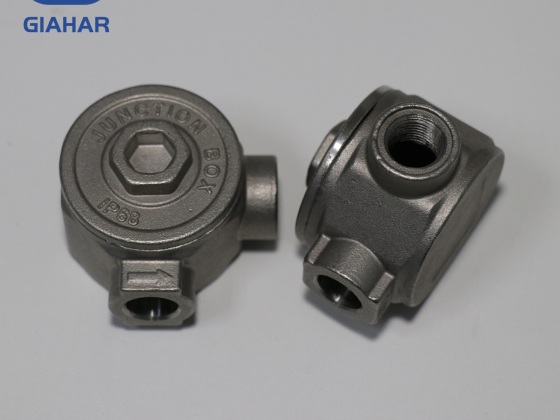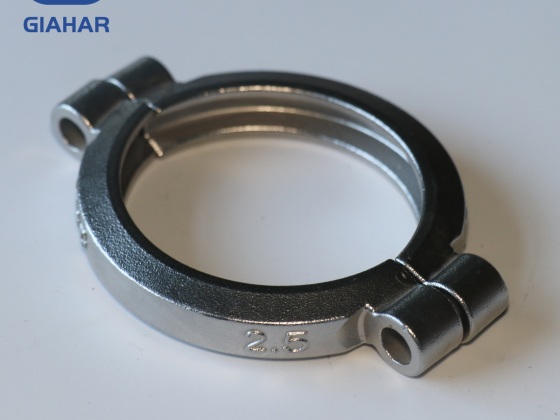


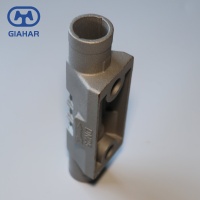
Flowmeter Cover And Housing
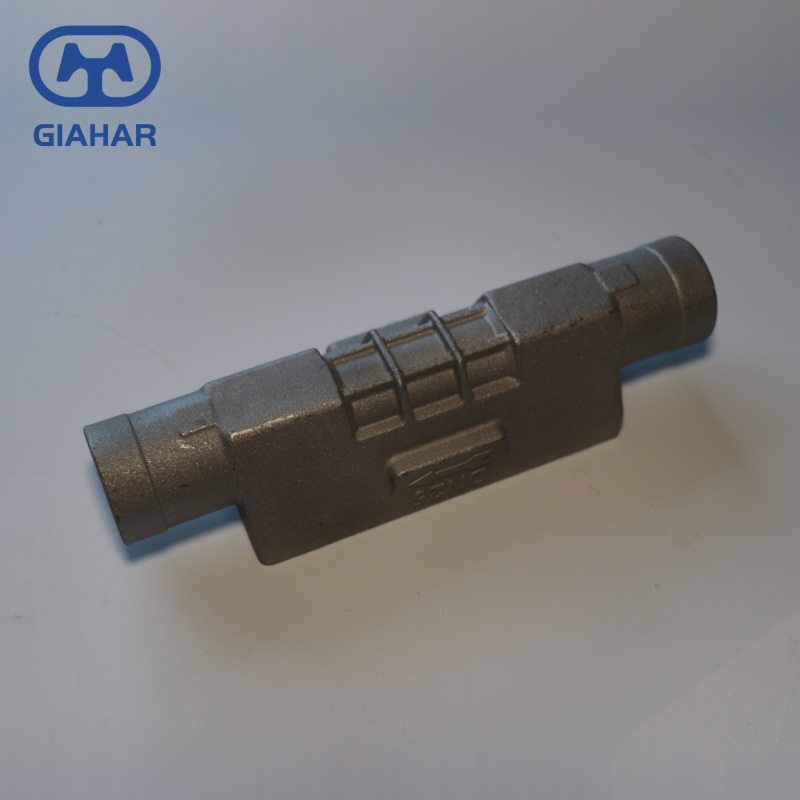
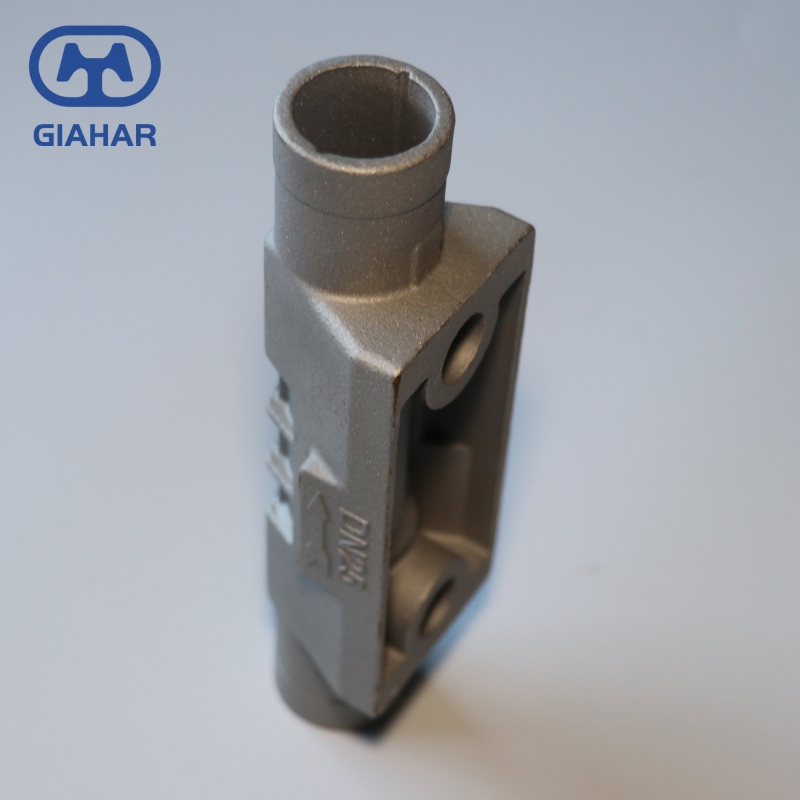
• Stainless steel flowmeter cover and housing made by silica sol investment casting
• Precision machined sealing surfaces for IP67/IP68 rated instrument protection
• Smooth internal and external surfaces, no hidden porosity to cause process leakage
• Custom flange sizes and port layouts available to fit all standard flowmeter sensor designs
- China
- New product development: 2 months; precision casting production: 1.5 months; schedule can be adjusted according to production conditions.
- 1,000 tons per year (precision casting)
- Information
Stainless Steel Flowmeter Cover and Housing
A leaking flowmeter housing rarely fails because the casting looks wrong. It fails at the flange face, the sensor bore or a wall section that was too porous. We cast the 316L blank on our silica sol line, stress relieve it, and machine the sealing faces and bore in our CNC shop on the same site. Critical features are held to ±0.05 mm and checked before shipment. Buyers get fewer rejects at incoming inspection, less assembly rework and a more predictable delivered cost.
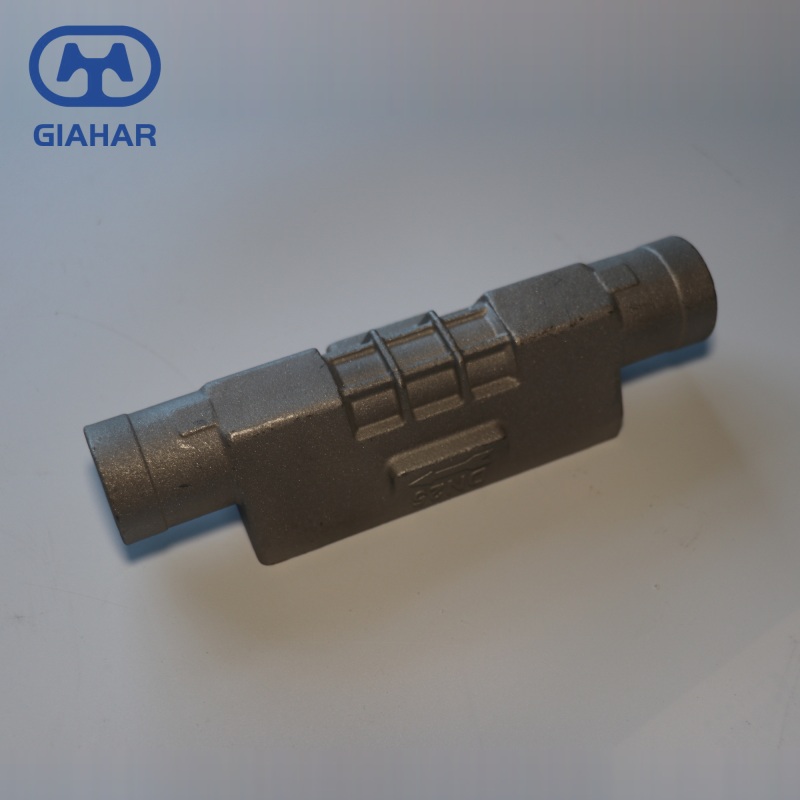
Every meter design is slightly different, so the numbers below are the range we quote most often, not a fixed catalogue page. If your drawing sits outside it, send it over and we will confirm what needs to change.
| Material | 316L stainless steel (UNS S31603 / 1.4404) |
| Casting process | Silica sol investment casting, poured in our own foundry |
| Size and weight | DN15–DN300 (1/2–12 in); 0.5–25 kg; wall 3–12 mm |
| Machining tolerance | ±0.05 mm on sealing faces and sensor bore; ±0.10 mm general |
| Surface roughness | Ra 1.6–3.2 µm on sealing faces; Ra 6.3–12.5 µm as-cast |
| Pressure and temperature | PN10–PN40 / Class 150–300; -20 °C to 200 °C, subject to design and gasket |
| End connections | EN 1092-1, ANSI B16.5, or customer drawing; custom flange and thread layouts |
| Protection rating | IP67 / IP68 with matching seals |
| Inspection | Dimensional report and visual inspection |
| Finish and packing | Finish: As-cast, machined, passivated or pickled. Packaging: Anti-rust fluid on machined surfaces, with extra protection for machined faces and impact protection to prevent transit damage. Export carton, fumigated wooden crate, non-fumigated wooden crate, EU-standard box or pallet. Packaging can be customized to customer requirements. Environmental compliance: Our product packaging complies with Regulation (EU) 2025/40 on Packaging and Packaging Waste (PPWR), which applies directly in EU member states from 12 August 2026. |
Flange drillings, port threads and the sensor bore are machined to the customer drawing, so housings that look similar outside may differ inside. Precision casting capacity is 1,000 tons per year, and the origin is China. New product development takes about two months; production takes about six weeks, with the final schedule adjusted to the drawing, quantity and current load.
Why the Sealing Wall Matters
On a meter, the housing is part of the seal. The flange face has to sit flat against a gasket, and the sensor bore has to stay round. If either one is off, moisture finds a path in. The board corrodes, the reading drifts, and by the time the problem is noticed, the meter is already out of service. That is why we pay attention to the sealing faces rather than just the outside shape.
Most of these parts run unattended. A municipal meter may sit in a pit for years. A chemical plant meter may see washdown every shift. The housing must withstand both conditions without becoming an unplanned service visit.
The Casting Method
We use silica sol investment casting for the blank. A wax pattern is coated in successive ceramic layers until the shell reaches the required thickness. The wax is then removed and the shell is fired. The 316L is poured to our internal specification, and each heat is tracked. Sand casting can work for simpler shapes, but the wall on a meter housing is not the place to reduce cost at the expense of wall quality.
After shakeout, the casting receives a stress relief cycle before machining. This allows the metal to settle. Without this step, the flange could move after machining and the gasket would not seat correctly.
Machining Work In House
The castings are transferred directly to our CNC stations. We face both flanges, cut the threads and bore the sensor seat. First-off parts are checked, and the operator monitors the critical dimensions through the run. Because the foundry and machine shop are on the same site, a problem with a wall section or a hole position is corrected before the next batch is poured.
We can hold ±0.05 mm on the sealing faces and sensor bore when the drawing calls for it. General features sit at ±0.10 mm. If your assembly needs something tighter, send the drawing and we will tell you honestly whether it is a machining job or a casting redesign.
Custom Manufacturing Process
1. Requirement Communication
We start with the drawing, the application and the order quantity. Material, dimensions, tolerances, operating conditions and any packing or documentation requirement are recorded before quoting.
2. Technical Evaluation
The engineering team reviews wall sections, machining stock, casting feasibility and the critical fits. If a feature is difficult to cast or machine, it is raised before tooling begins.
3. Process and Sample Confirmation
The process route is fixed, and a sample is produced when the project requires one. The sample is checked against the drawing and confirmed before mass production.
4. Mass Production
Production is scheduled against the confirmed specification and order quantity. Progress is tracked through casting, machining and finishing.
5. Quality Inspection
Dimensional and visual checks are carried out according to the agreed requirements. Inspection records are kept with the batch.
6. Packaging and Delivery
Finished parts are packed for export, labelled as agreed and prepared for shipment with the required documents.
Outdoor Use and Cleaning
Outside, the housing sees rain, washdown water, salt air and the occasional chemical splash. 316L helps, but the alloy name on the cert is not the whole answer. Wall density, surface finish and the gasket do just as much. We passivate or pickle after machining when the application requires it.
Mild washdown is normally fine. Strong chlorides are where 316L can struggle, so send us the concentration and temperature and we will confirm whether 316L is suitable before quoting.
Engineering Support and Cost Control
We look at the drawing before tooling begins. Before tooling, the drawing is reviewed by the foundry and machining teams. We look at how thick the walls are, how much stock is needed for machining, which flange standard applies, where the ports sit and how many parts are planned. A small change at this stage can remove a machining step or reduce casting scrap. Where the specification allows, we propose a design that is easier to cast and machine without changing the material or the functional requirements.
Cost reduction comes from process control, not from lowering the material grade or cutting inspection. Stable tooling, repeatable shell thickness, in-house machining and sensible batch planning reduce rework, shorten the route and protect the delivery date.
Where It Goes
These housings are used in electromagnetic, vortex, turbine and ultrasonic flowmeters for water treatment, chemical processing, food and beverage piping, and municipal distribution networks. Our main markets are Japan, South Korea, Europe and North America. High-chloride or high-temperature service needs a closer look. Send the concentration, temperature and cleaning routine, and we will confirm the material and sealing method before quoting.
The sensor housing is machined with the flowmeter housing so the cover fits without a gap.
Company Profile & FAQ
| At a Glance | |||
| Founded | 2010 | ||
| Factory Area | About 60,000 m² in Kazuo County, Liaoning | ||
| Staff | Around 120 people, including engineers and QC | ||
| Experience | 16 years of silica sol investment casting | ||
| Export Markets | Japan, South Korea, Europe and North America | ||
| Capacity | 1,000 tons per year of precision castings | ||
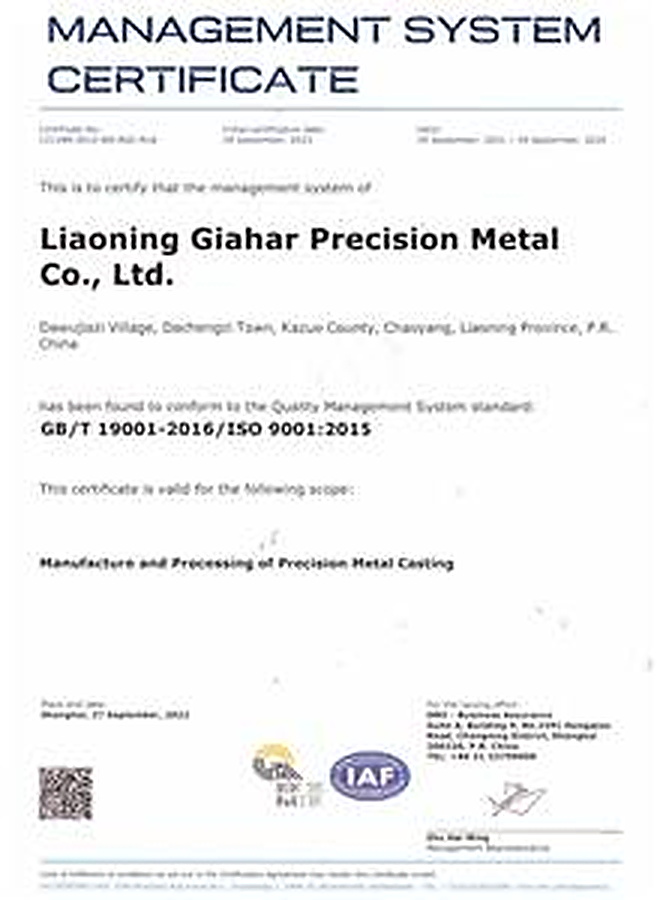
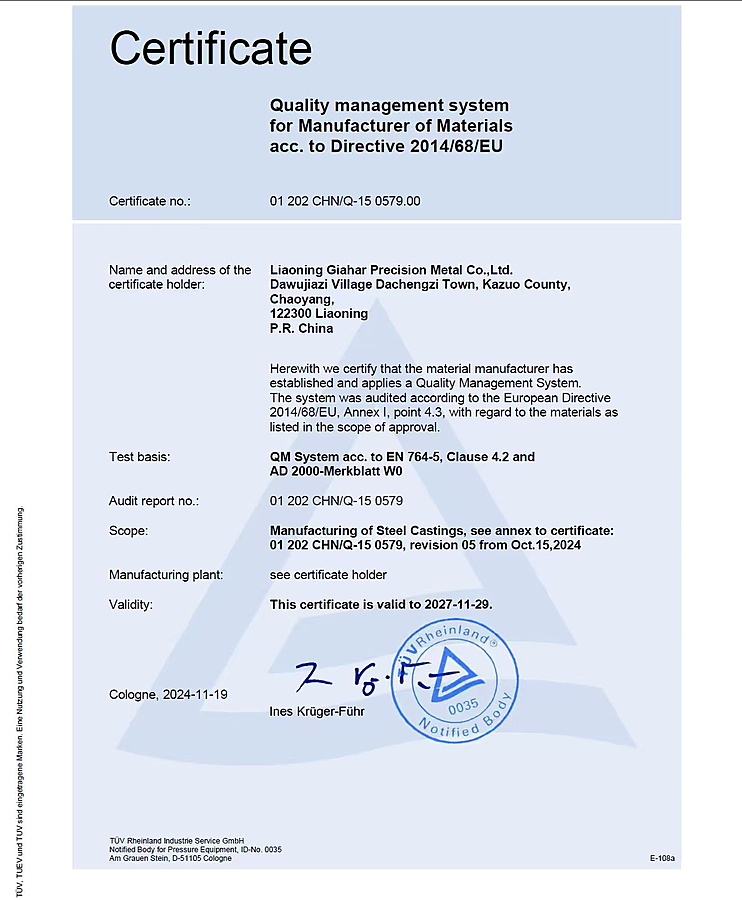
| Certifications | DNV ISO 9001 Quality Management System Certificate; TUV PED 2014/68/EU Pressure Equipment Certificate
| ||
| FAQ | |||
| Q: Can you produce parts from my drawing or sample? | |||
| Yes. Send a 2D drawing, a 3D model or a physical sample. Our engineer will review the wall sections, tolerances and machining stock before quoting. Any risk is raised before the sample stage. | |||
| Q: Do you provide material certificates and inspection reports? | |||
| Mill certificates to EN 10204 3.1, heat treatment records and dimensional reports can be supplied. PED 2014/68/EU documentation and a hazardous-substance-free declaration covering RoHS and REACH are also available. The required document package is confirmed at quotation. | |||
| Q: Can you do machining, heat treatment and surface finishing in-house? | |||
| Yes. Castings move from our foundry to our CNC shop. Stress relief is carried out after casting, and solution annealing can be done in our controlled furnace when the material specification calls for it. Passivation and pickling are also handled on site. Because the same team controls casting, heat treatment and finishing, the parts do not travel between vendors. That reduces handling damage and keeps the route short. | |||
| Q: Which standards do you work to? | |||
| European work generally follows ISO. Customer-specific standards are reviewed against the drawing, and the inspection standard is confirmed before the order is released. | |||
| Q: What are the MOQ and lead times? | |||
| MOQ is normally 100–500 pcs for new tooling, with lower quantities for repeat orders. New product development takes about 2 months, and precision casting production takes about 1.5 months. The final schedule is confirmed against the drawing, order quantity and current production load. | |||
Flowmeter Housing FAQ
| Product-Specific FAQ | |
| Q: Can the housing be machined to a specific sensor port layout? | |
| Yes. Flange drillings, threads and the sensor bore are cut to the drawing. Before the first batch, the fixture and machining sequence are reviewed, and a first-off part is inspected before serial production. | |
| Q: What sizes and wall thicknesses can be supplied? | |
| Most housings fall between DN15 and DN300. Casting weight usually runs from 0.5 kg to 25 kg, with walls from 3 mm to 12 mm. Larger or heavier parts are reviewed separately against the drawing. | |
| Q: How is porosity or leakage checked? | |
| Visual and dimensional checks are performed on every batch. Any additional inspection requirement is reviewed at the quotation stage, and the acceptance criteria are agreed before production. | |
| Q: Can the surface be passivated or pickled? | |
| Yes. Passivation and pickling are carried out after machining. The finish is selected according to the service environment, cleanliness requirement and customer inspection standard. | |
| Q: Can you help reduce the casting and machining cost? | |
| Yes. Wall sections, machining stock, tolerances and batch size are reviewed before tooling. Where the specification allows, the design can be adjusted to reduce machining time, improve casting yield and lower the reject rate without changing the material or functional requirements. |