

- Home
- >
- Products
- >
- Pipe clamp
- >
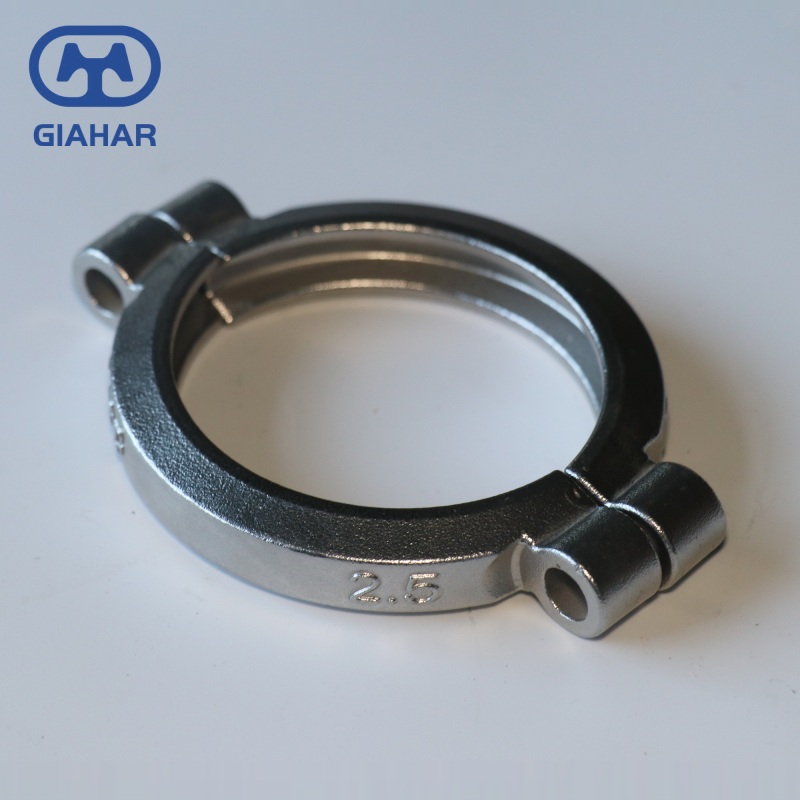
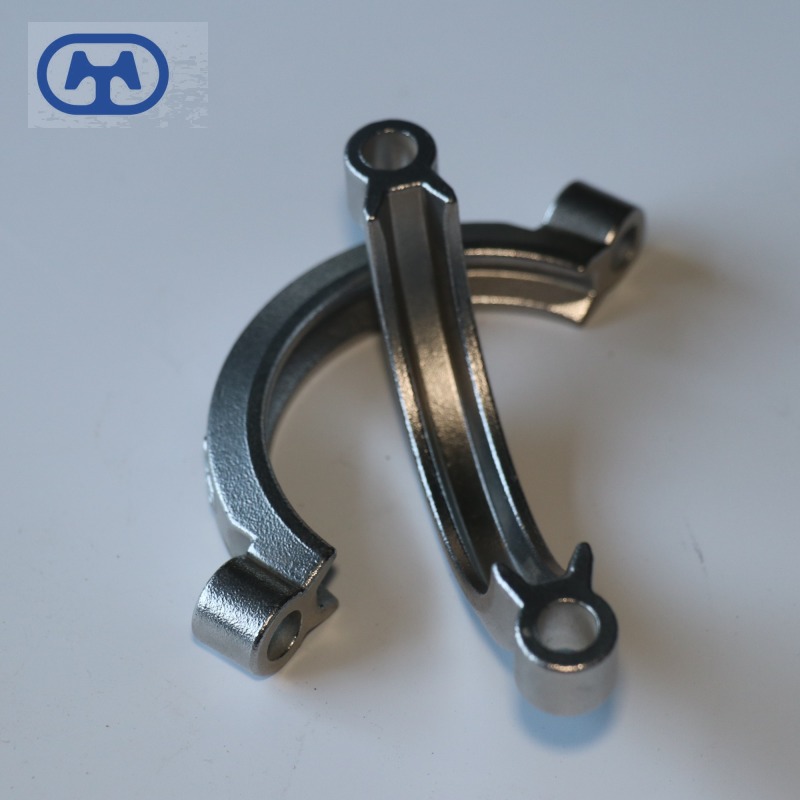
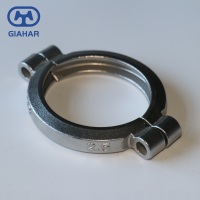
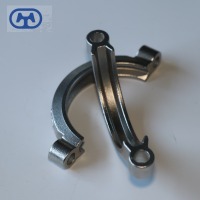
Pipe clamp
• Stainless steel pipe clamp casting in 304/316
• Silica sol investment casting with CNC contact face and bolt holes
• Custom pipe OD, clamp radius and bolt pattern
• Mill certificates and batch traceability
- China
- New product development: 2 months; precision casting production: 1.5 months; schedule can be adjusted according to production conditions.
- 1,000 tons per year (precision casting)
- Information
Stainless Steel Pipe Clamp Casting
Product Overview
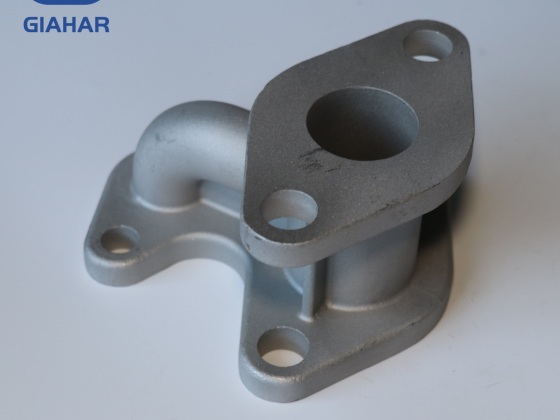
Cheap clamps made of cast iron or malleable iron will often rust through after a couple of seasons outside, they can crack when they are over-tightened, or they may slip when a long pipe load is put on them. This stainless steel pipe clamp is made to solve these problems which are common in the field. We cast the clamp ourselves on the silica sol line, using 304 or 316 stainless steel, and some fabricators who moved over from iron clamps have stayed with ours for outdoor and marine duty. The investment cast pipe saddle goes under the pipe, and the two halves are pulled tight against the pipe body by the bolts. It is used for holding fixed runs on walls, frames and process skids.
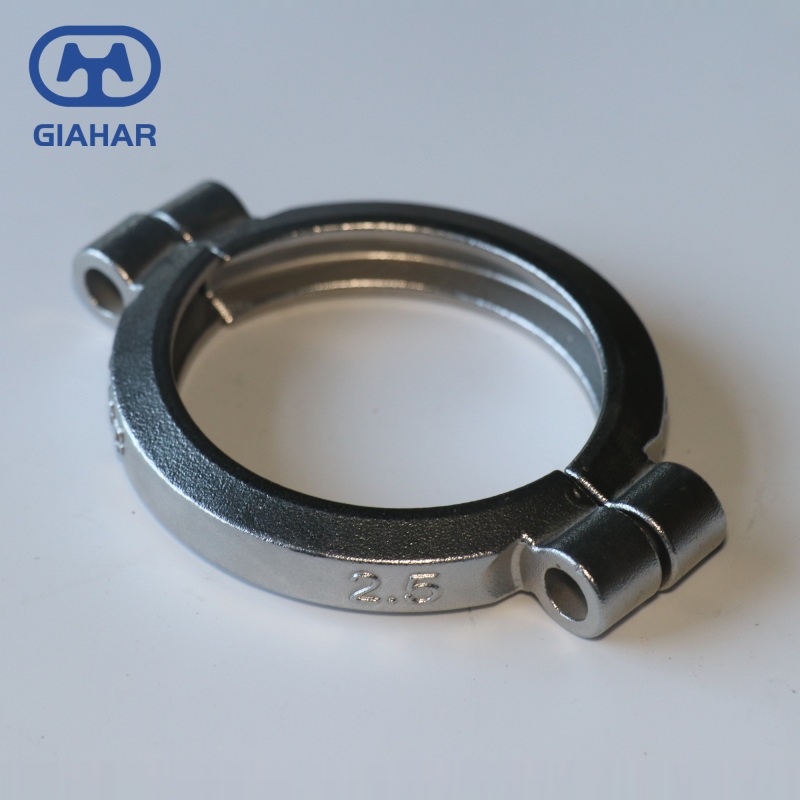
The table below gives the normal working range for this pipe clamp. Final clamp radius, bolt spacing and pipe OD are confirmed from the drawing.
We complete both casting and CNC machining on site, so you buy directly from our foundry, without middleman markup.
| Parameter | Value |
| Material | 304 / 316 Stainless Steel (other alloys on request) |
| Casting Process | Silica Sol Investment Casting |
| Key Machined Features | Clamping face, bolt holes, pipe contact surface |
| Typical Pipe OD Range | Custom per customer pipe size |
| Customization | Per customer drawing / pipe size requirement |
Manufacturing Process
This precision cast pipe support is produced by silica sol investment casting. Cast iron and malleable iron clamps corrode quickly in outdoor service and are prone to cracking when they are tightened beyond the rated torque. The stainless wall does not corrode in the way iron does. Because the cast solidifies evenly, there are no hidden pores inside the body that could open up under the bolt load. The contact surface is faced flat on the CNC mill, so the clamp sits flush on the pipe and keeps its grip once the line is under pressure.
Material Performance
A long pipe run rests on the clamps along its whole length. The pipe line expands when it warms up and contracts when it cools, and this movement, together with the fluid surge and vibration, puts a load on the clamps over time. Our custom pipe clamp casting keeps a uniform wall all around the body, so no thin section is allowed to let go under torque, and the clamp can hold up year after year outside.
Quality Control
Each production part gets checked before packing. We measure the bolt hole spacing, the clamping radius, and how flat the contact face reads. Mill certificates go out with the order so the heat number can be traced back.
Custom Service
We make the clamps to your pipe OD, a 2D drawing or a sample part. Need a special size, a custom bolt pattern, or a more corrosion-resistant alloy for marine or chemical duty? Send the requirements over. Our engineers look over the casting feasibility and come back to you with a formal quote.
Custom Manufacturing Process
1. Requirement Communication
We start with the drawing, the application and the order quantity. Material, dimensions, tolerances, operating conditions and any packing or documentation requirement are recorded before quoting.
2. Technical Evaluation
The engineering team reviews wall sections, machining stock, casting feasibility and the critical fits. If a feature is difficult to cast or machine, it is raised before tooling begins.
3. Process and Sample Confirmation
The process route is fixed, and a sample is produced when the project requires one. The sample is checked against the drawing and confirmed before mass production.
4. Mass Production
Mass production is arranged against the confirmed specification and the order quantity. The progress is tracked through casting, machining and finishing, and the quality control is carried out during the whole manufacturing process.
5. Quality Inspection
Dimensional and visual checks are carried out according to the agreed requirements. Inspection records are kept with the batch.
6. Packaging and Delivery
The finished parts are packed for export, labelled as agreed, and prepared for the shipment with the required documents.
The pipe support clamp is supplied with the stainless steel pipe clamp, and the pipe saddle clamp is packed in the same carton.
Company Profile & FAQ
| At a Glance | |||
| Founded | 2010 | ||
| Factory Area | About 60,000 m² in Kazuo County, Liaoning | ||
| Staff | Around 120 people, including engineers and QC | ||
| Experience | 16 years of silica sol investment casting | ||
| Export Markets | Japan, South Korea, Europe and North America | ||
| Capacity | 1,000 tons per year of precision castings | ||
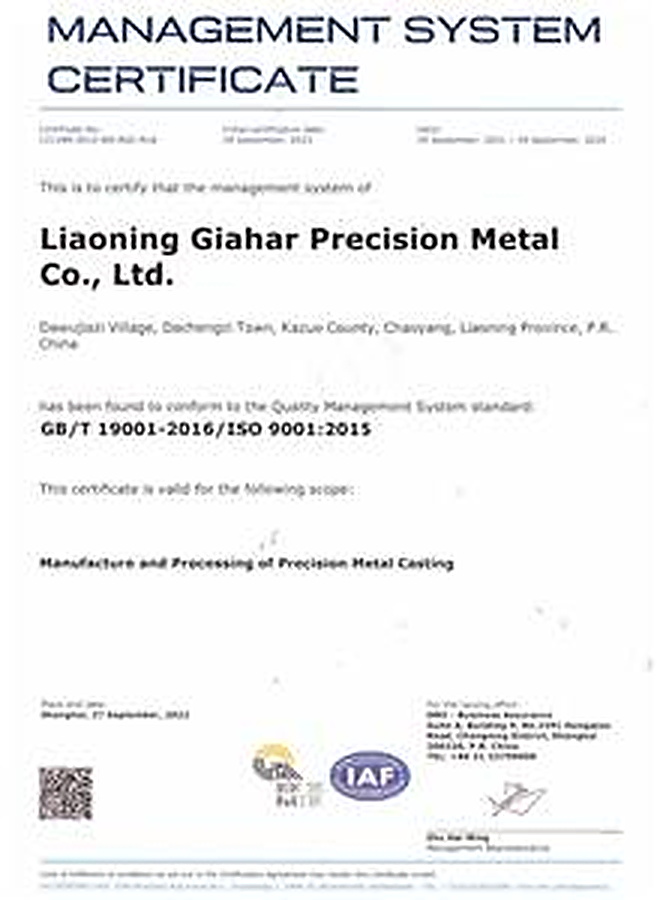
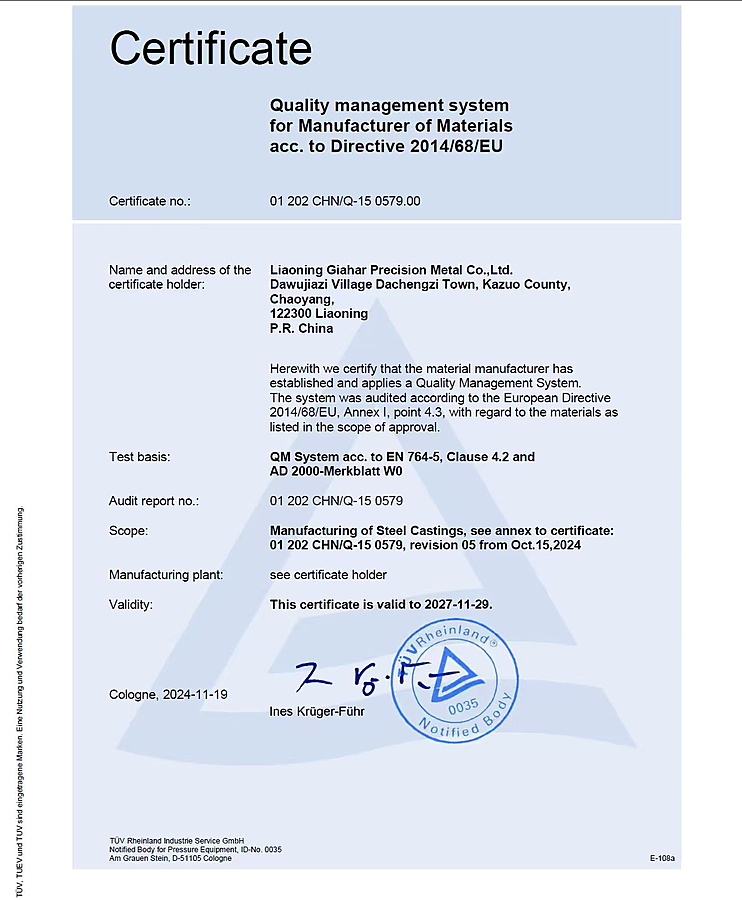
| Certifications | DNV ISO 9001 Quality Management System Certificate; TUV PED 2014/68/EU Pressure Equipment Certificate
| ||
| FAQ | |||
| Q: Can you produce parts from my drawing or sample? | |||
| Yes. Send a 2D drawing, a 3D model or a physical sample. Our engineer will review the wall sections, tolerances and machining stock before quoting. Any risk is raised before the sample stage. | |||
| Q: Do you provide material certificates and inspection reports? | |||
| Mill certificates to EN 10204 3.1, heat treatment records and dimensional reports can be supplied. PED 2014/68/EU documentation and a hazardous-substance-free declaration covering RoHS and REACH are also available. The required document package is confirmed at quotation. | |||
| Q: Can you do machining, heat treatment and surface finishing in-house? | |||
| Yes. The castings are moved from our foundry to our CNC shop. Stress relief is carried out after the casting, and solution annealing can be done in our controlled furnace when the material specification requires it. Passivation and pickling are also handled on site. Since the same team controls casting, heat treatment and finishing, the parts do not have to travel between different vendors, which reduces the handling damage and keeps the production route short. | |||
| Q: Which standards do you work to? | |||
| European work generally follows ISO. Customer-specific standards are reviewed against the drawing, and the inspection standard is confirmed before the order is released. | |||
| Q: What are the MOQ and lead times? | |||
| MOQ is normally 100–500 pcs for new tooling, and for repeat orders the quantity can be lower. New product development takes about 2 months, while the precision casting production takes about 1.5 months. The final schedule is confirmed against the drawing, the order quantity and the current production load. | |||
Pipe Clamp FAQ
| Product-Specific FAQ | |
| Q: What pipe sizes can you make? | |
| The clamp is made to the customer pipe OD. Send the pipe size, the bolt pattern and the required clamp radius, and the drawing will be confirmed before tooling. | |
| Q: Which material is best for outdoor use? | |
| 304 is used for general outdoor duty, while 316 is preferred for marine, chemical and chloride exposure. Carbon steel can be quoted when the environment allows it. | |
| Q: How is the clamp checked? | |
| The bolt hole spacing, clamping radius and contact face flatness are checked on each batch. A mill certificate can be supplied for the heat number. | |
| Q: Can you copy an existing clamp? | |
| Yes. Send a sample or a 3D scan. We check the clamp radius, bolt spacing and contact face before quoting. |